Wild Magic Mushrooms in Canada: Local Species & How to Identify Them
Somewhere in a damp Canadian pasture this autumn, a small, bell-capped mushroom will be pushing up through the grass — and it contains one of the most studied psychedelic compounds on earth. Canada’s forests, fields, and coastlines are home to a surprising number of wild psilocybin mushrooms, and learning to recognize them is a fascinating window into the natural world.
This is a photo-led field guide to Canada’s wild magic mushroom species: what they look like, where they grow, how to tell them apart — and, just as importantly, how to distinguish them from the deadly look-alikes that can share their habitat. Whether you’re a curious naturalist or an aspiring forager, accurate identification is everything.
Table of Contents
What Are Magic Mushrooms?
Magic mushrooms are fungi that produce psilocybin, a naturally occurring psychedelic compound your body converts into psilocin. Beyond their effects on the mind, these fungi play a real ecological role — breaking down organic matter and cycling nutrients through the soil that sustains forests and grasslands.
There are over 100 psilocybin-producing species worldwide, and they vary enormously in appearance. But almost all of them share one telltale trait: they bruise blue. When the flesh of a psilocybin mushroom is handled or damaged, the psilocin oxidizes and the bruise turns a bluish tone. It’s not a foolproof test on its own, but it’s one of the most useful first clues in the field.
Wild Magic Mushroom Species in Canada
Here’s a point that trips up a lot of beginners: the famous Psilocybe cubensis — the golden-capped species behind most cultivated mushrooms — does not grow wild in Canada. It’s a subtropical species that needs heat and humidity Canada’s climate simply doesn’t offer. The magic mushrooms that grow wild here are hardier, cool-climate species, and they look quite different.
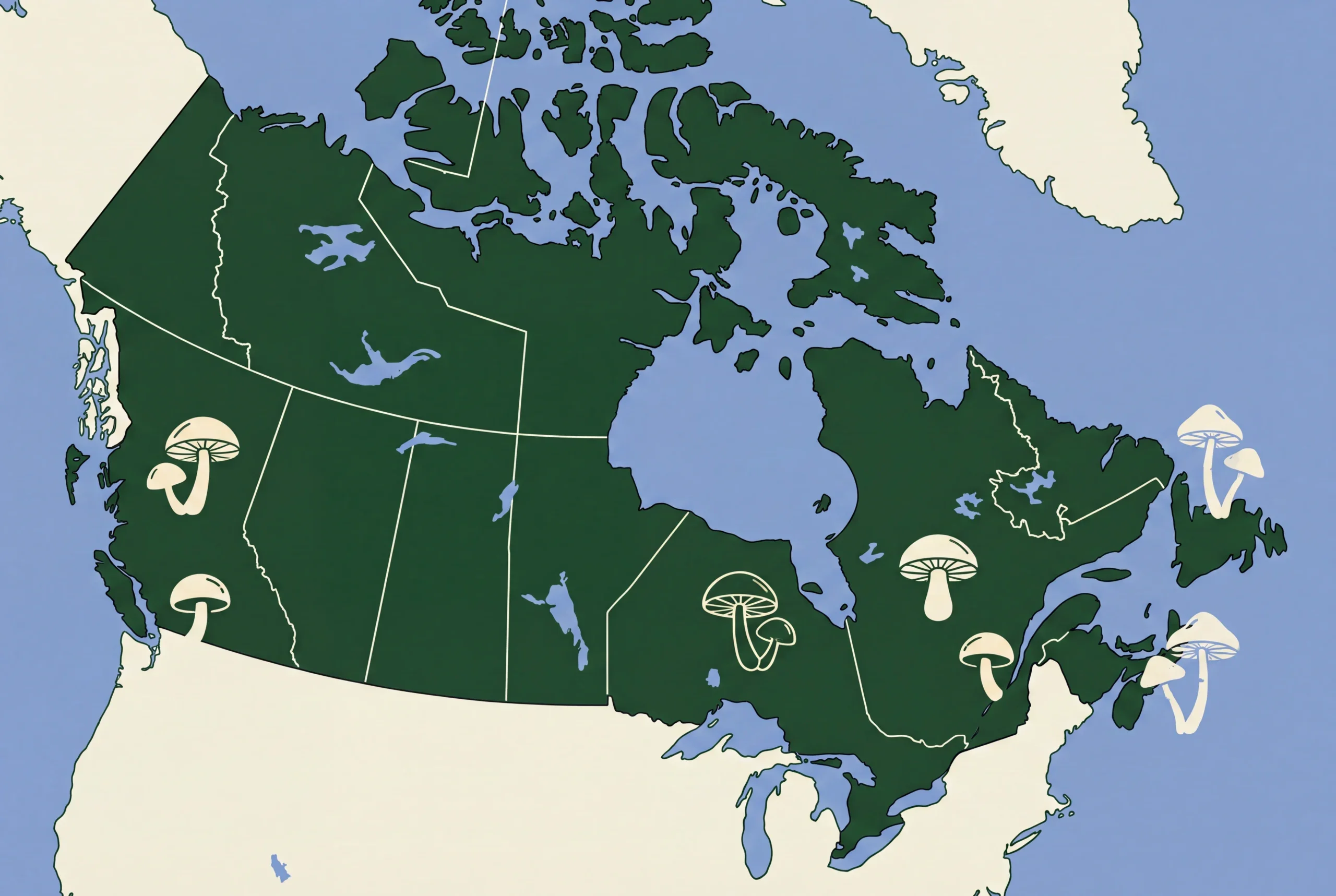
According to the Vancouver Mycological Society, British Columbia is the most fertile region in the country for wild psilocybin mushrooms. Here are the species you’re most likely to encounter.
Psilocybe semilanceata (Liberty Cap)
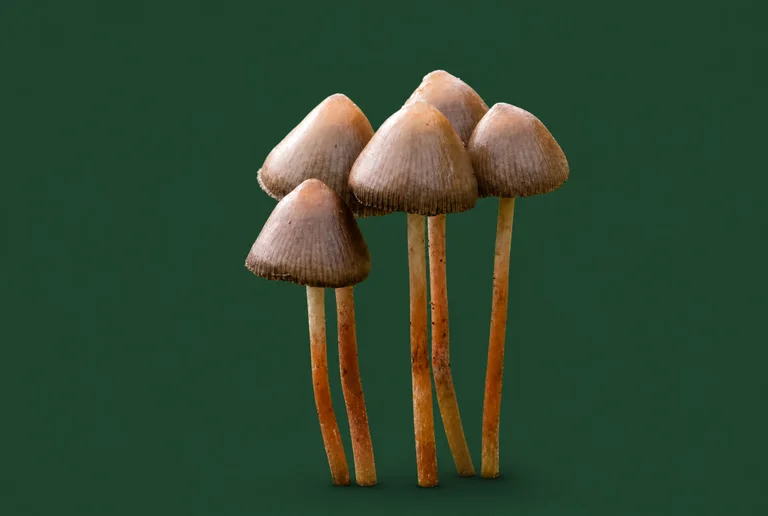
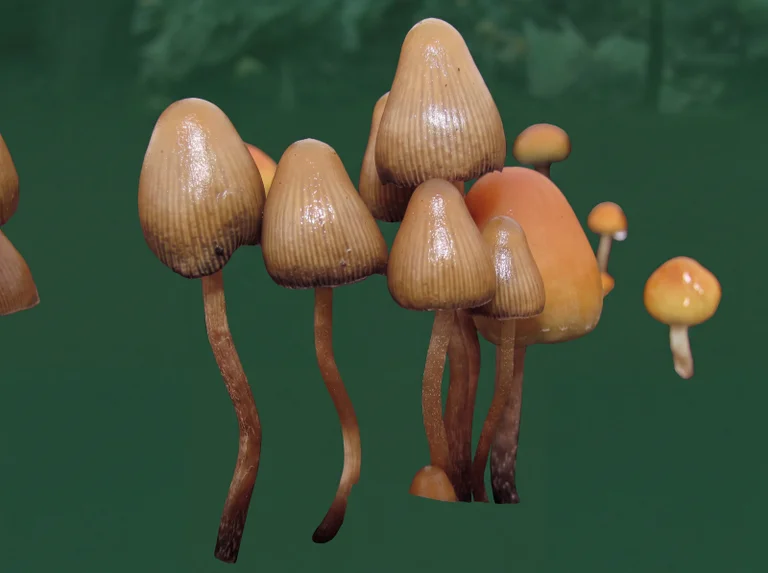
The Liberty Cap is Canada’s most widespread wild magic mushroom and one of the most potent species in the world. It’s small, with a distinctive pointed, bell- or nipple-shaped cap that’s tan to olive-brown when moist. It grows directly from decaying grass roots — never from wood — and favours wet pastures and grassy fields, fruiting in the cool, damp weeks of autumn.
Psilocybe cyanescens (Wavy Caps)
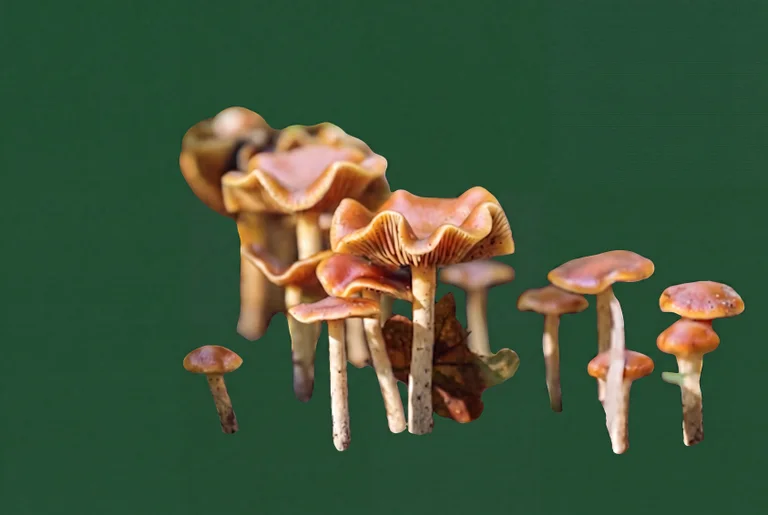
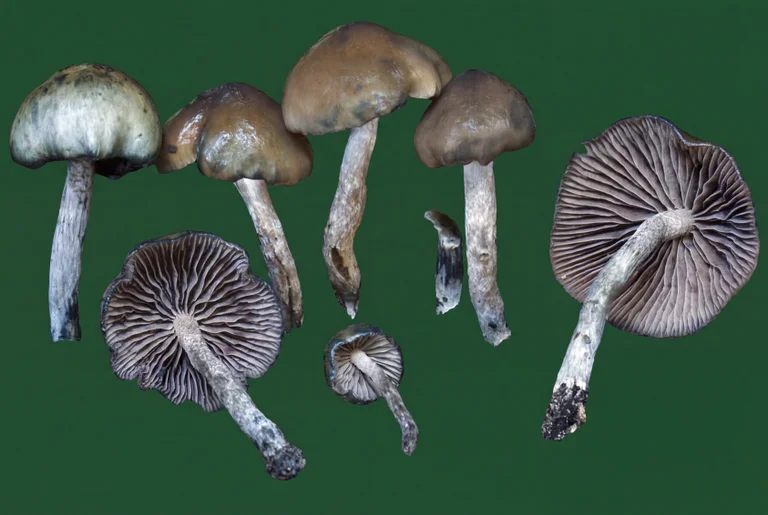
Named for the rippled, wavy edges of its caramel-brown cap, Psilocybe cyanescens is a wood-loving species most common along coastal British Columbia. It thrives on wood chips, mulch, and garden beds — which is exactly why it turns up in urban and suburban landscaping, and also why identification matters so much (more on that below). It’s a potent species and a strong blue-bruiser.
Microdosing 101
Guidebook
Download our guidebook for free. Have all the tools you need before starting your journey.
Psilocybe pelliculosa
Sometimes called the iconic magic mushroom of British Columbia, Psilocybe pelliculosa is a small, conical, brown mushroom of coniferous forests. It’s easily overlooked, growing along mossy trail edges and in the leaf litter of the Pacific Northwest. Its modest size and muted colour make it a species best left to experienced identifiers.
Psilocybe baeocystis
Psilocybe baeocystis is another Pacific Northwest wood- and mulch-lover with a dark, often wavy cap.
Psilocybe quebecensis
And in the east, *Psilocybe quebecensis holds a special distinction: native to Quebec’s Jacques-Cartier river valley, it’s the northernmost known psilocybin mushroom on earth*, fruiting in cool temperatures from summer into late October.
If you want to go deeper on how these species compare in strength and character, our guide to the strongest psychedelic mushroom strains and our comprehensive guide to the types of psilocybin shrooms are useful companions.
How to Identify Magic Mushrooms Near You
Identifying a wild mushroom is never about a single feature — it’s about confirming several at once. Here are the identifiers that matter most.
Cap: Note the shape (conical, bell-shaped, wavy), size, colour, and whether it changes colour as it dries (many Psilocybe species are “hygrophanous,” fading as they lose moisture).
Gills: Look at the colour and how they attach to the stem. Mature Psilocybe gills are typically dark purple-brown, reflecting their spore colour.
The blue-bruise test: Gently handle the stem and flesh. A bluish bruise is a strong sign of psilocybin — few of the dangerous look-alikes bruise blue.
Spore print: This is the single most reliable at-home test. Place a cap gills-down on paper or glass for a few hours. Psilocybe species leave a purple-brown to purplish-black print. This one step separates them from several deadly mushrooms.
Habitat is a clue too: grass versus wood chips versus conifer litter narrows the field considerably. And when in doubt, consult multiple sources and an expert — local mycology clubs and research-grade observations on iNaturalist are invaluable for confirming a find.
⚠️ Deadly Look-Alikes You Must Know
This is the section no responsible foraging guide can skip. Several toxic mushrooms resemble Psilocybe species, and one of them can kill you.
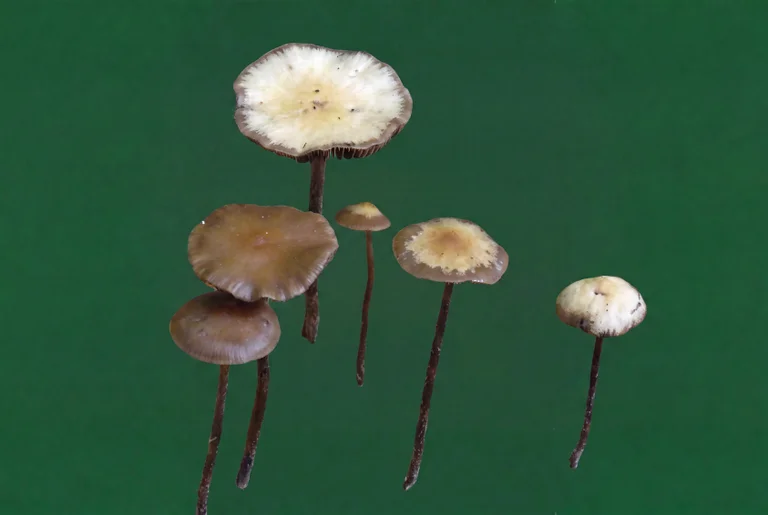
Galerina marginata — the “Funeral Bell” — is a small brown mushroom that contains the same amatoxins found in death cap mushrooms. Critically, it can grow on the *same wood and mulch as Psilocybe cyanescens***, and to an untrained eye the two can look alike. As the UBC Beaty Museum documents, amatoxin poisoning is especially insidious because symptoms are delayed 6 to 24 hours — by the time nausea and vomiting begin, the toxins are already attacking the liver, and liver failure can follow.
Fortunately, a couple of reliable tests separate them:
- Spore print: Psilocybe leaves a purple-brown print; Galerina leaves a rusty-brown one. This alone is often decisive.
- Bruising and stems: Psilocybe (like cyanescens) typically has a white stem and bruises blue; Galerina has a brownish stem and does not bruise blue.
The golden rule from experienced foragers: never consume any small brown mushroom unless you are 100% certain of the species. If there’s any doubt at all, don’t.
The Safer Alternative to Foraging
Foraging is a beautiful way to connect with nature — but as a way to actually use psilocybin, it carries two serious problems. First, potency is a complete unknown. Wild mushrooms vary enormously in strength from one specimen to the next, so there’s no way to gauge a dose. Second, and far more importantly, the margin for error is life-threatening — a single misidentified Funeral Bell can cause fatal liver failure.
That’s why, for anyone whose goal is intentional, well-dosed use rather than the naturalist’s thrill of the hunt, a potency-tested and ethically harvested mushroom is simply the safer path. Sero’s microdosing capsules and other products use cultivated, quality-controlled mushrooms with a tested, consistent dose in every serving — no scale, no guesswork, and no deadly look-alikes. It’s the difference between a fascinating field guide and a reliable practice.
-
$42.00 – $142.00Select options This product has multiple variants. The options may be chosen on the product page
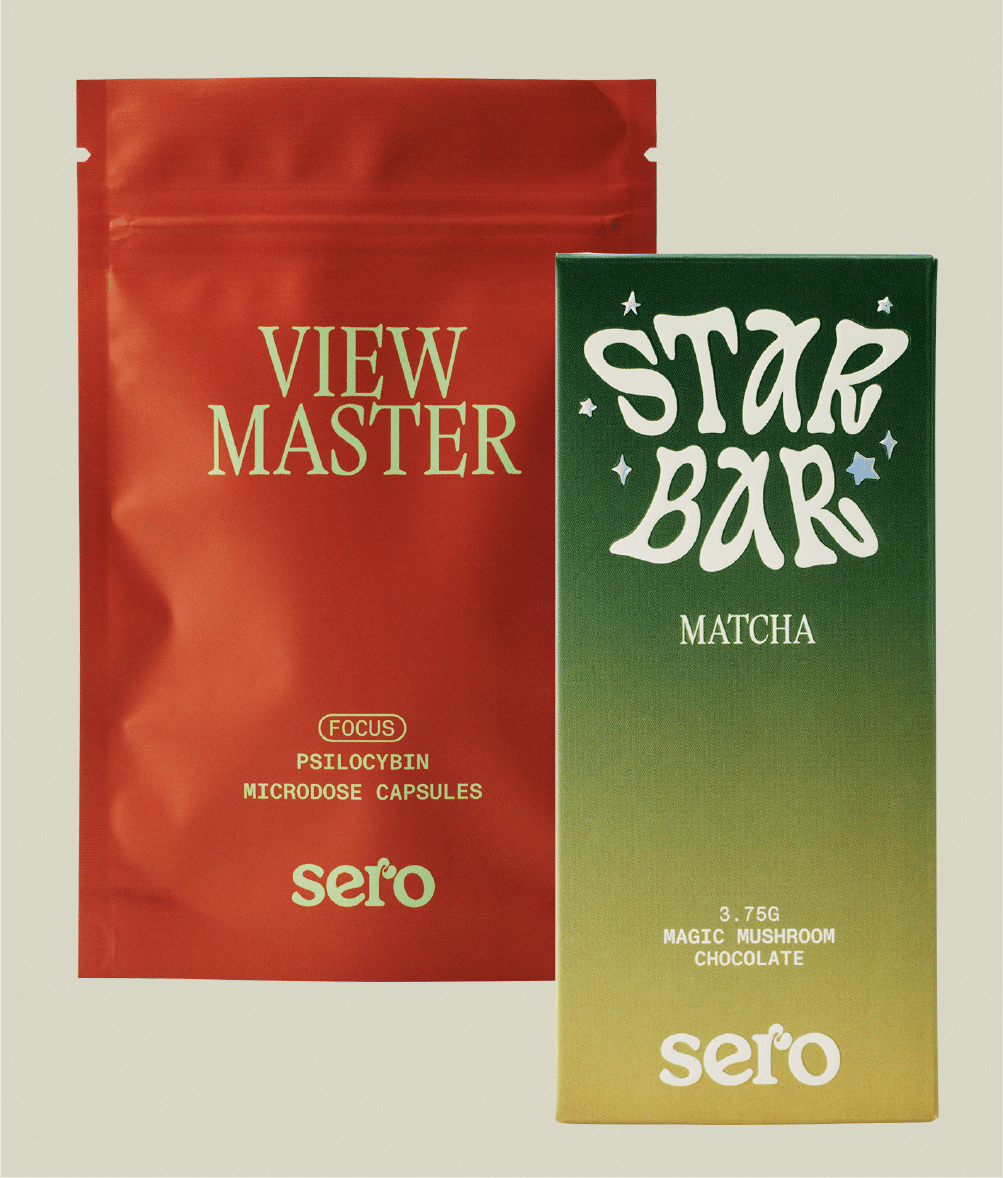
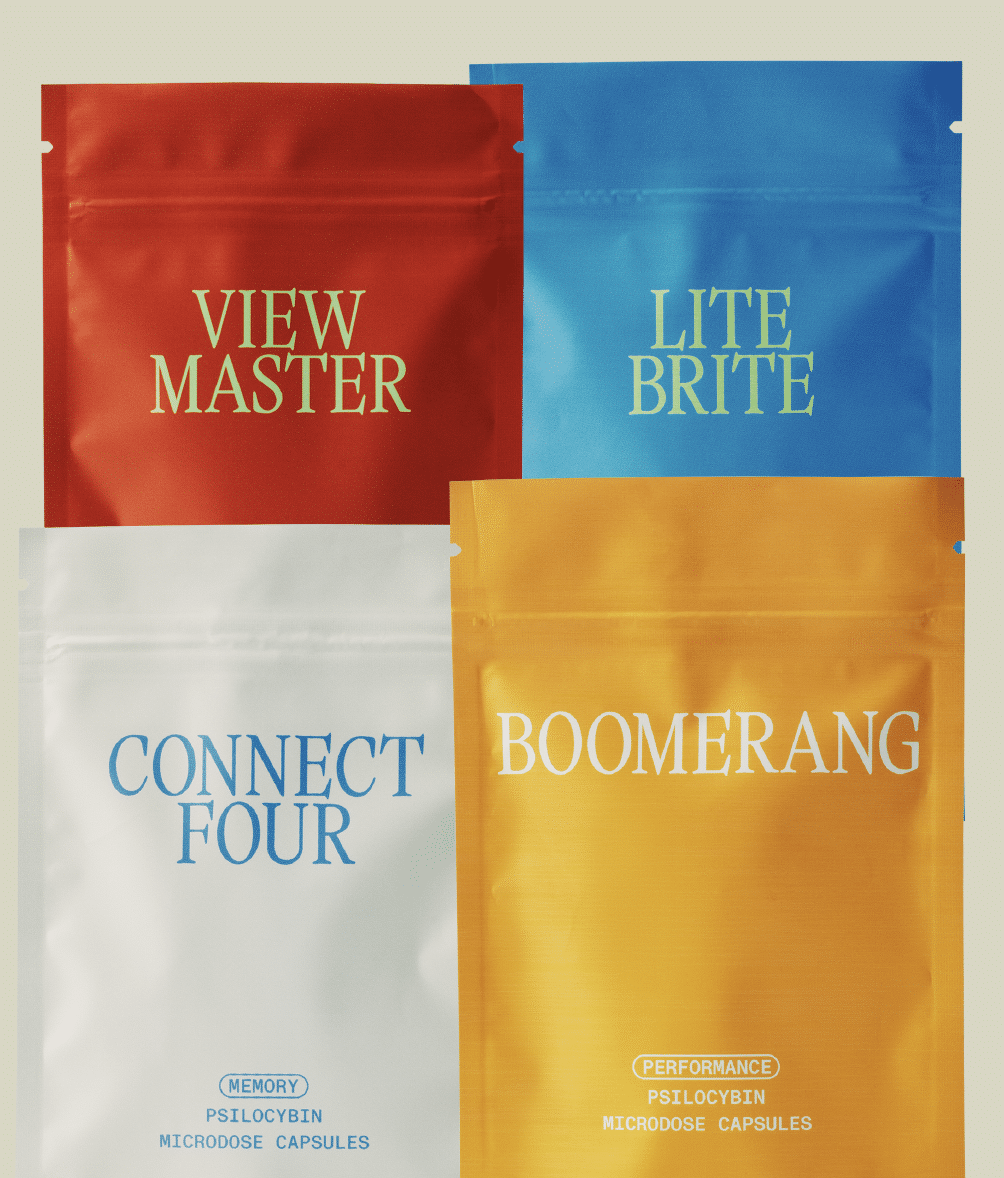
VIEW MASTER
View Master’s formulation is a blend of functional and magic mushrooms targeted to enhance productivity and focus.
Benefits?
- focus
- energy
- brain fuel
We recommend this if…
You want to optimize output and flow on a busy work day.
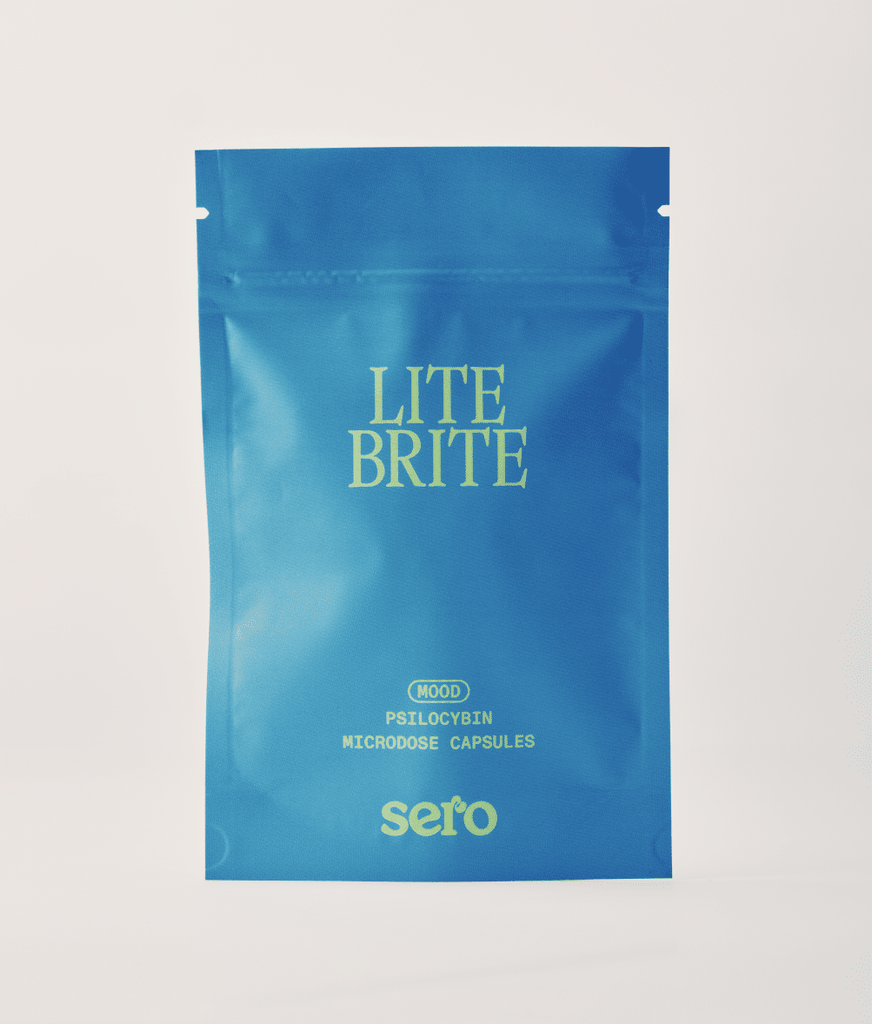
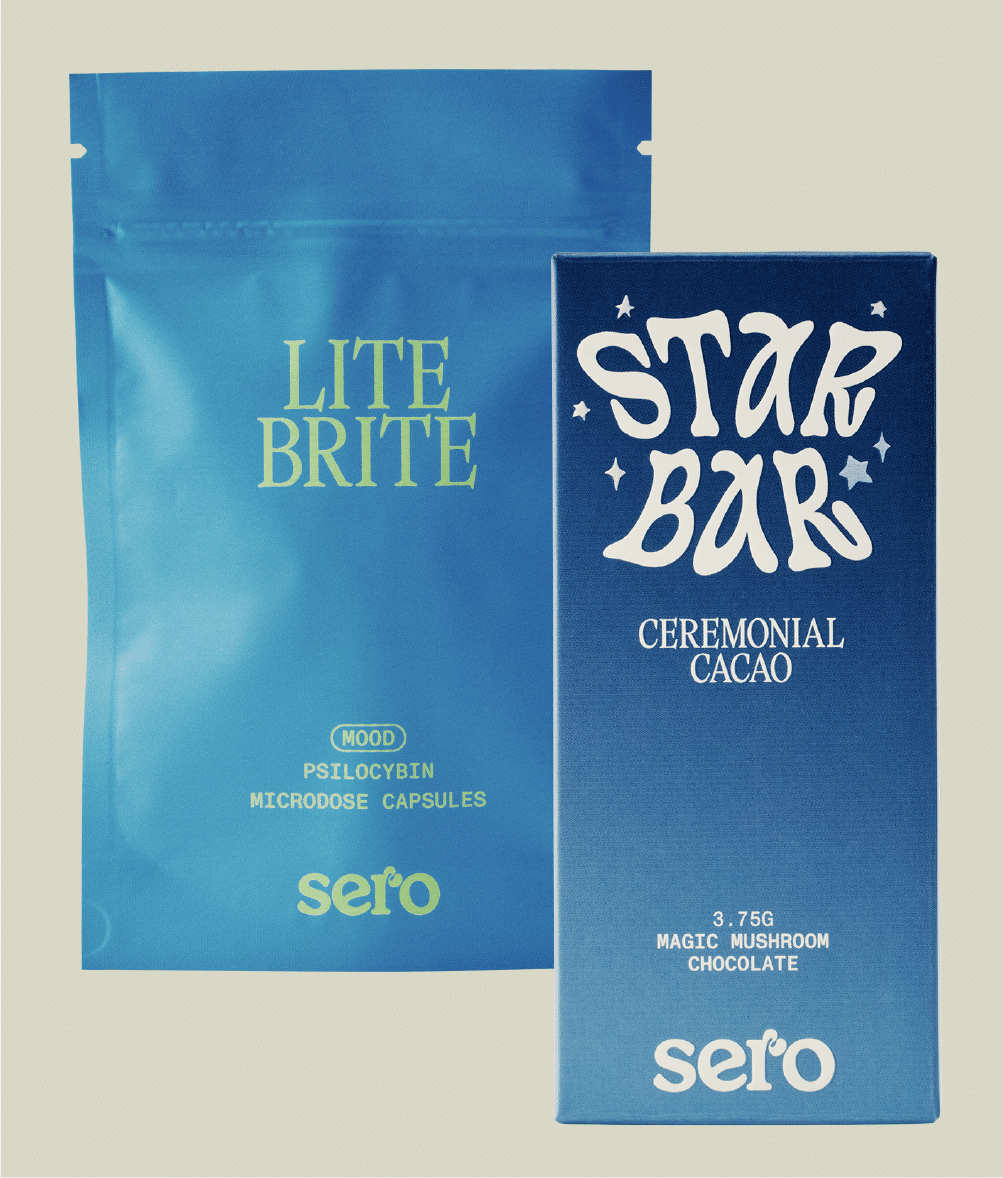
LITE BRITE
Lite Brite’s formulation is targeted to uplift and improve your mood.
Benefits?
- uplifted mood
- relaxation
- nervous system regulation
We recommend this if…
you want to tune in and slow down.
-
$42.00 – $142.00Select options This product has multiple variants. The options may be chosen on the product page
Final Takeaways
Canada’s wild magic mushrooms — the Liberty Cap, the Wavy Cap, and their cool-climate cousins — are a captivating part of the country’s natural landscape, and learning to identify them is a rewarding skill. Just remember the three things that matter most: cubensis doesn’t grow wild here, the purple-brown spore print and blue bruise are your best identifiers, and deadly look-alikes make certainty non-negotiable.
Curious to explore psilocybin the safe, intentional way? Download our free Microdosing Guidebook.
FAQ's
Wild psilocybin species grow across much of Canada, but they're most abundant in British Columbia. Liberty Caps favour grassy pastures and fields; Wavy Caps and other wood-lovers appear on mulch, wood chips, and forest debris; and Quebec is home to the northernmost known species. Autumn is generally the prime fruiting season.
Use several checks together: a purple-brown spore print, blue bruising, and habitat. The most important safety point is that deadly Galerina marginata leaves a rusty-brown spore print and doesn't bruise blue — but because misidentification can be fatal, never consume a wild mushroom without expert confirmation.
It carries real risks on both counts. Legally, psilocybin remains a controlled substance in Canada outside authorized contexts. Practically, poisonous look-alikes and unknowable potency make wild foraging genuinely dangerous. If your aim is safe, consistent use, a lab-tested product is the more reliable choice.
This article is for educational purposes only and is not medical, legal, or foraging advice. Never consume any wild mushroom without expert identification.