Thomas’ Bill: What Canada’s New Psilocybin Bill Could Mean

Thomas’ Bill: What Canada’s New Psilocybin Bill Could Mean

A quiet shift just happened in Canadian drug policy. A Conservative-led bill would open a medical pathway to psilocybin — and it's drawing cross-partisan support. Here's the fact-checked picture of Thomas' Bill.
Dancing Shrooms

Table of Contents

Thomas' Bill: What Canada's New Psilocybin Bill Could Mean

Something quietly significant just happened in Ottawa. On June 16, 2026, a Conservative MP tabled a bill that would let doctors prescribe psilocybin — the active compound in magic mushrooms — to patients in Canada. It’s worth paying attention to, not because it’s certain to become law, but because of what it says about where this conversation is heading.

Here’s a clear, fact-checked look at what the bill actually proposes, the research behind it, and the honest uncertainties that remain.

Sero Moss and Magic Mushrooms with spiral imprint

What Is Thomas' Bill (Bill C-286)?

On June 16, 2026, Saskatchewan Conservative MP Corey Tochor introduced Bill C-286 — better known as Thomas’ Bill. The bill would amend the Controlled Drugs and Substances Act to let physicians prescribe psilocybin and psilocin directly for conditions such as PTSD, depression, and addiction, bypassing Health Canada’s slow, case-by-case approval process. It would not legalize recreational use.

The bill is named for Thomas Hartle, a Saskatoon father with stage IV colon cancer who, in 2020, became the first Canadian to receive a legal exemption to use psilocybin therapy. As his cancer progressed, his renewal requests went unanswered for months, and he travelled abroad to access the treatment before he died in 2024 at age 56.

Why a Conservative Bill Is a Notable Signal

What makes this moment stand out is who is behind it. When a Conservative MP frames psilocybin as medicine — alongside a Canadian Armed Forces veteran and clinical advocates — it marks a real shift in how psychedelics are discussed. Tochor put it bluntly, saying “the war on drugs made an error” in sweeping psilocybin into prohibition.

The support has been cross-partisan. Conservative MP Lianne Rood publicly backed the bill, and Government House Leader Steve MacKinnon agreed to work with Conservative House Leader Andrew Scheer to get it onto the parliamentary agenda before summer recess.

It's Part of a Wider Pattern

Thomas’ Bill isn’t happening in isolation. Across North America, the political coalition around psychedelic medicine is broadening.

In April 2026, the Trump administration signed an executive order directing the FDA to accelerate its review of psychedelic therapies, creating new priority-review pathways and explicitly naming psilocybin, MDMA, and ibogaine. In March 2026, South Dakota — a deeply conservative state — passed legislation that would legalize medical psilocybin the moment the FDA approves it and the DEA reschedules it. And closer to home, Alberta has run a regulated psychedelic-assisted therapy framework since 2023 under its UCP government.

Different governments, different politics — converging on the same idea: that psilocybin deserves a real medical pathway.

What the Research Actually Shows

The clinical case for psilocybin-assisted therapy has been building for years. Here’s where the evidence is strongest — and where it’s still early.

Treatment-Resistant Depression

Multiple clinical trials — including work at Johns Hopkins and Imperial College London — have reported significant reductions in depressive symptoms from psilocybin-assisted therapy, including in people who hadn’t responded to standard antidepressants. For a deeper dive, our guide to psilocybin therapy walks through how this treatment model works.

PTSD in Veterans

Veteran advocacy has been one of the strongest forces behind psychedelic reform. Retired Canadian Armed Forces Master Corporal Josh Veinotte stood beside Tochor at the announcement, sharing that psilocybin-assisted therapy gave him peace “for the first time in nearly 15 years” after his deployment to Afghanistan. Our article on PTSD treatment with psilocybin covers the emerging research in more detail.

End-of-Life Anxiety

This is the area Thomas Hartle fought to access. In landmark 2016 trials at Johns Hopkins and NYU, about 80% of patients with life-threatening cancer showed clinically significant reductions in depression and anxiety six months after a single psilocybin session. TheraPsil researcher Kamaya Lawrence summarized the case at the bill’s announcement: “Eighty per cent of terminal cancer patients found lasting relief from death anxiety after a single psilocybin session.” We explore this further in our piece on psychedelic-assisted therapy for end-of-life distress.

Substance Use Disorder

Early-stage research on psilocybin for alcohol and tobacco dependence has been promising, though it remains earlier in the evidence pipeline than the depression and end-of-life work. Tochor framed the bill, in part, as a tool to address Canada’s mental health and addictions crisis.

Microdosing 101

Guidebook

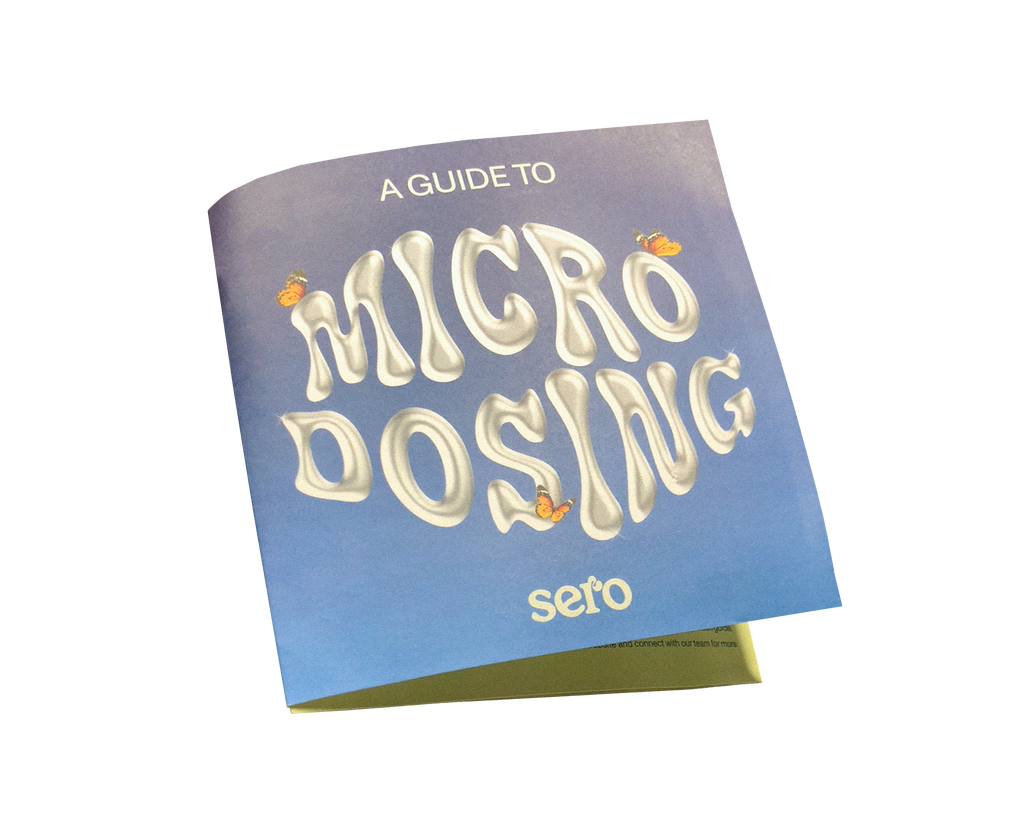
Download our guidebook for free. Have all the tools you need before starting your journey.

Guide to microdosing free downloadable tool

Is Psilocybin Legal in Canada Right Now?

Psilocybin is legally approved for some medical and research contexts only. Today, Canadians seeking legal access generally go through Health Canada’s Special Access Program, participate in clinical trials, or — in Alberta — a provincially regulated therapy framework.

The catch is the bottleneck. Health Canada has issued just 354 authorizations for psilocybin since January 2022, according to a department spokesperson — a fraction of the demand from patients and clinicians. A direct prescribing pathway, as Thomas’ Bill proposes, is designed to dramatically reduce that wait. (This is also why so many Canadians search “is it legal to buy shrooms online” — the legal reality is far narrower than the search volume suggests.)

The Honest Picture: What's Still Uncertain

We’re not here to overclaim. Thomas’ Bill is a private member’s bill, which means it faces real hurdles before it could ever become law. Critics raise legitimate concerns about long-term safety data and regulatory oversight, and Health Canada itself notes that, as an experimental drug, psilocybin’s safety and efficacy have not been established.

What we can say is that the consistency of what people report is worth listening to. Across our own 1,173 customer reviews, roughly 1 in 8 — about 150 reviewers — spontaneously mention anxiety or depression, often the very reasons they came to microdosing. These are personal accounts, not clinical evidence, but they point at the same conditions researchers are studying. If you’re curious about that lived experience, our explainer on microdosing for depression and anxiety is a good place to start.

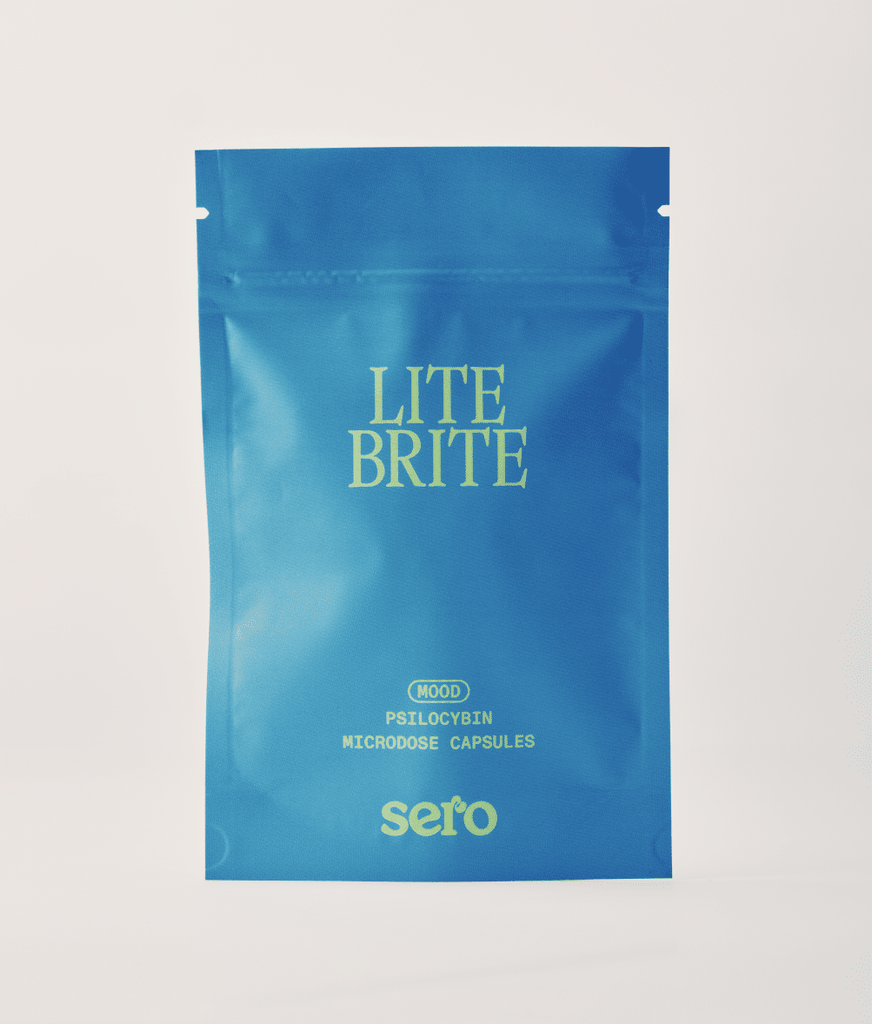
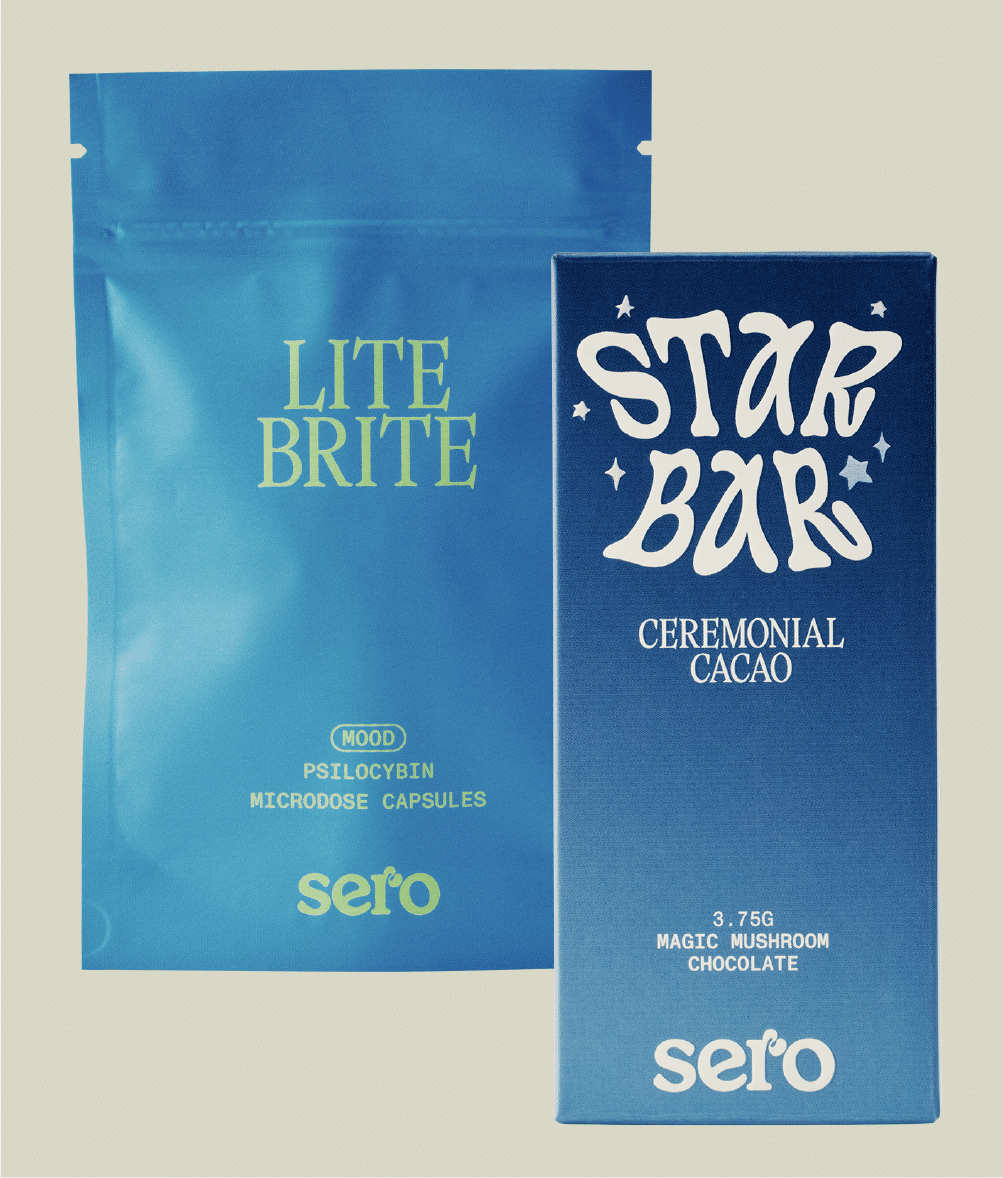
LITE BRITE

Sero’s most loved and most reviewed product, with more customer reviews mentioning experiences related to stress, mood, and overall well-being than any other product in the lineup.

Benefits?

  • supports mood
  • supports neuroplasticity
  • invites openness

We recommend this if…

Perfect for first-timers seeking a gentle, uplifting experience. Many customers describe feeling more like themselves on their best days. Most people start with a 125 mg serving.

  • Lite Brite Psilocybin Microdose Capsules for Mood Balance
    $42.00$142.00
    Select options This product has multiple variants. The options may be chosen on the product page

Final Takeaways

Thomas’ Bill may or may not pass — but the conversation it represents is already shifting, across the political spectrum, in clinical research, and in the lived experiences of patients. For a Canadian audience that’s clearly searching for clarity on the legal and medical landscape, that’s worth understanding accurately rather than through hype.

We’ll keep tracking Thomas’ Bill as it moves through Parliament. To follow the story and get research-led education on psilocybin and well-being, join the Sero newsletter and download our free Microdosing Guidebook. Clarity, not noise — that’s the goal.

This article is for educational purposes only. It is not medical advice. Always consult a qualified healthcare professional before making changes to your mental health care.