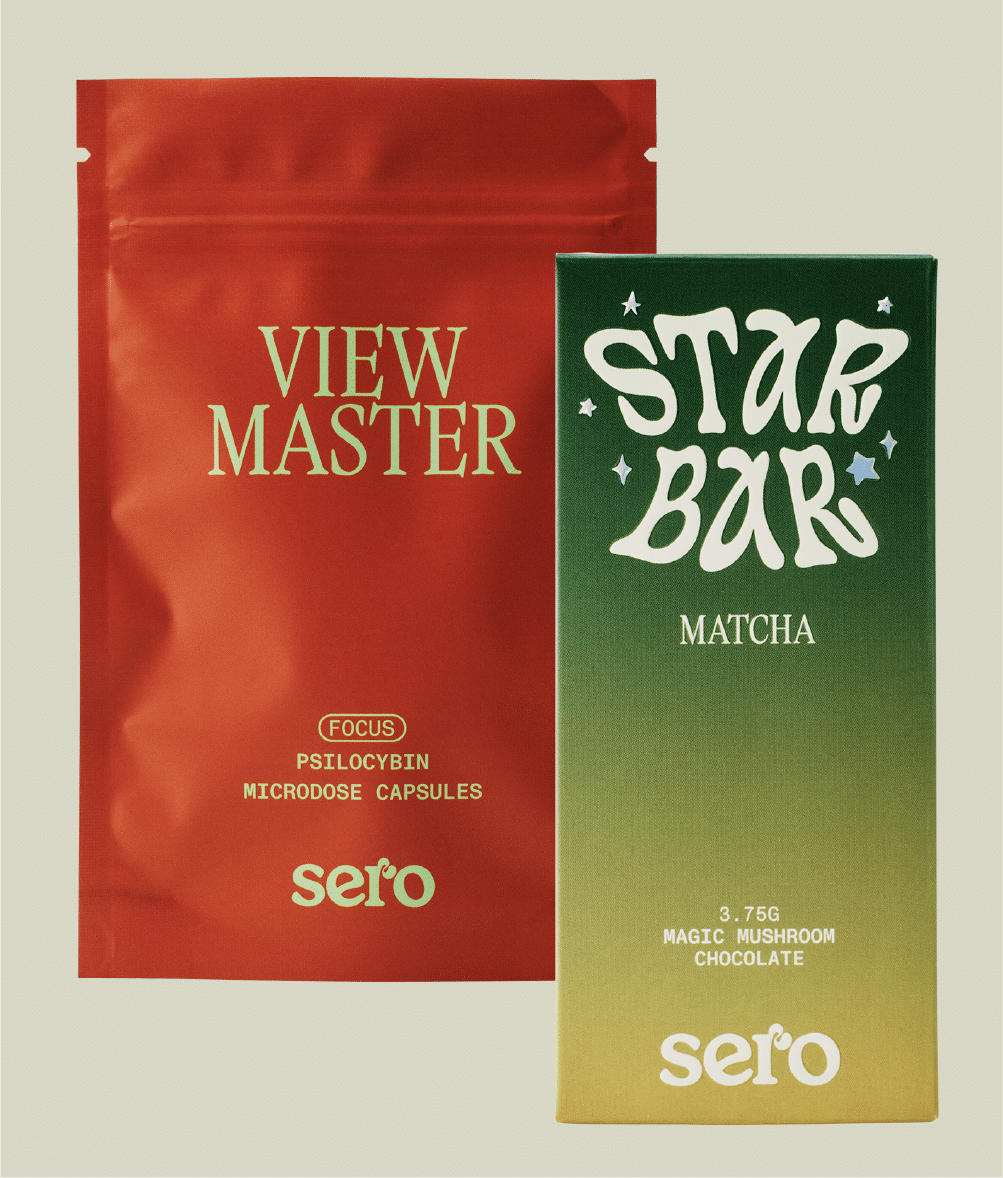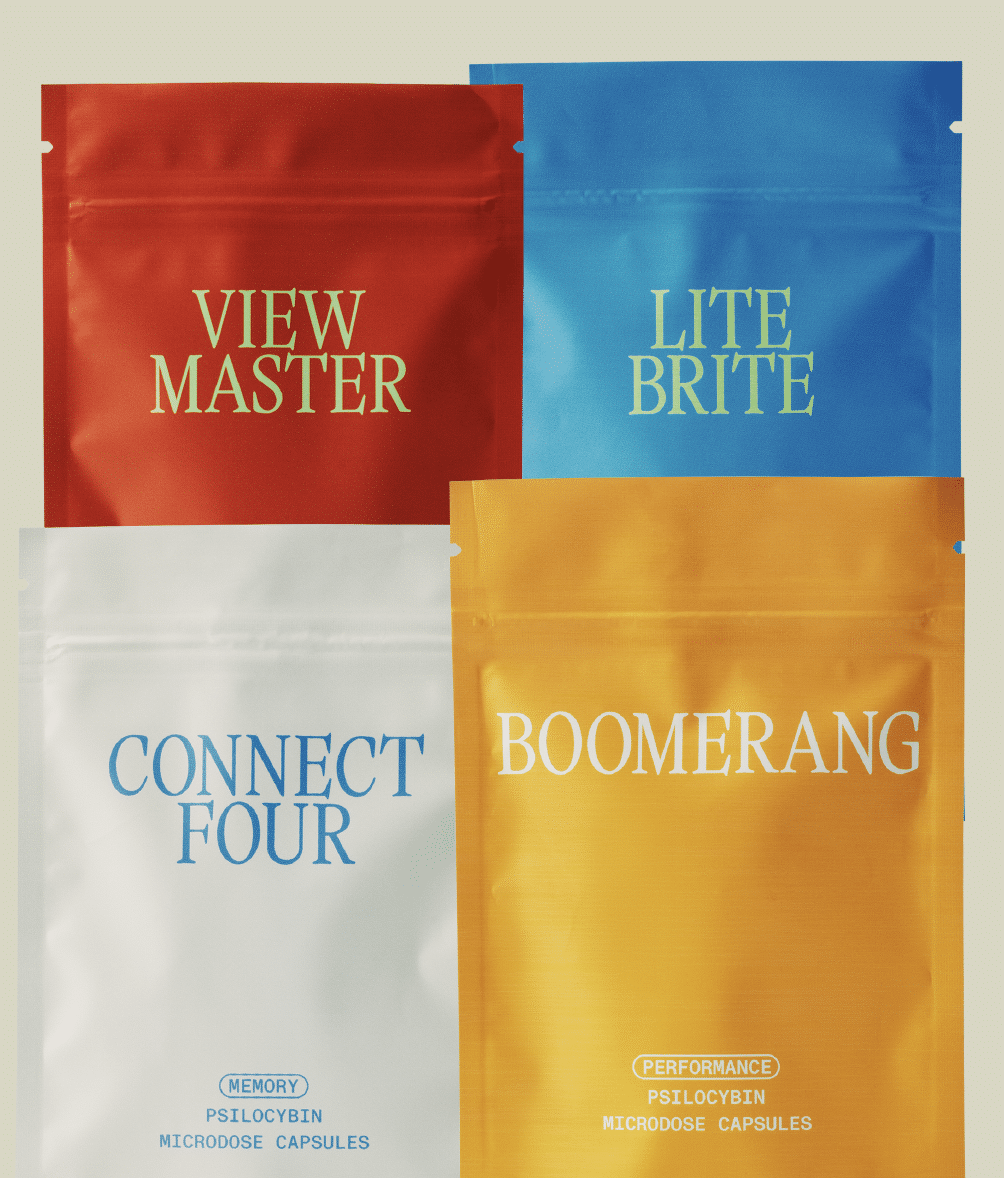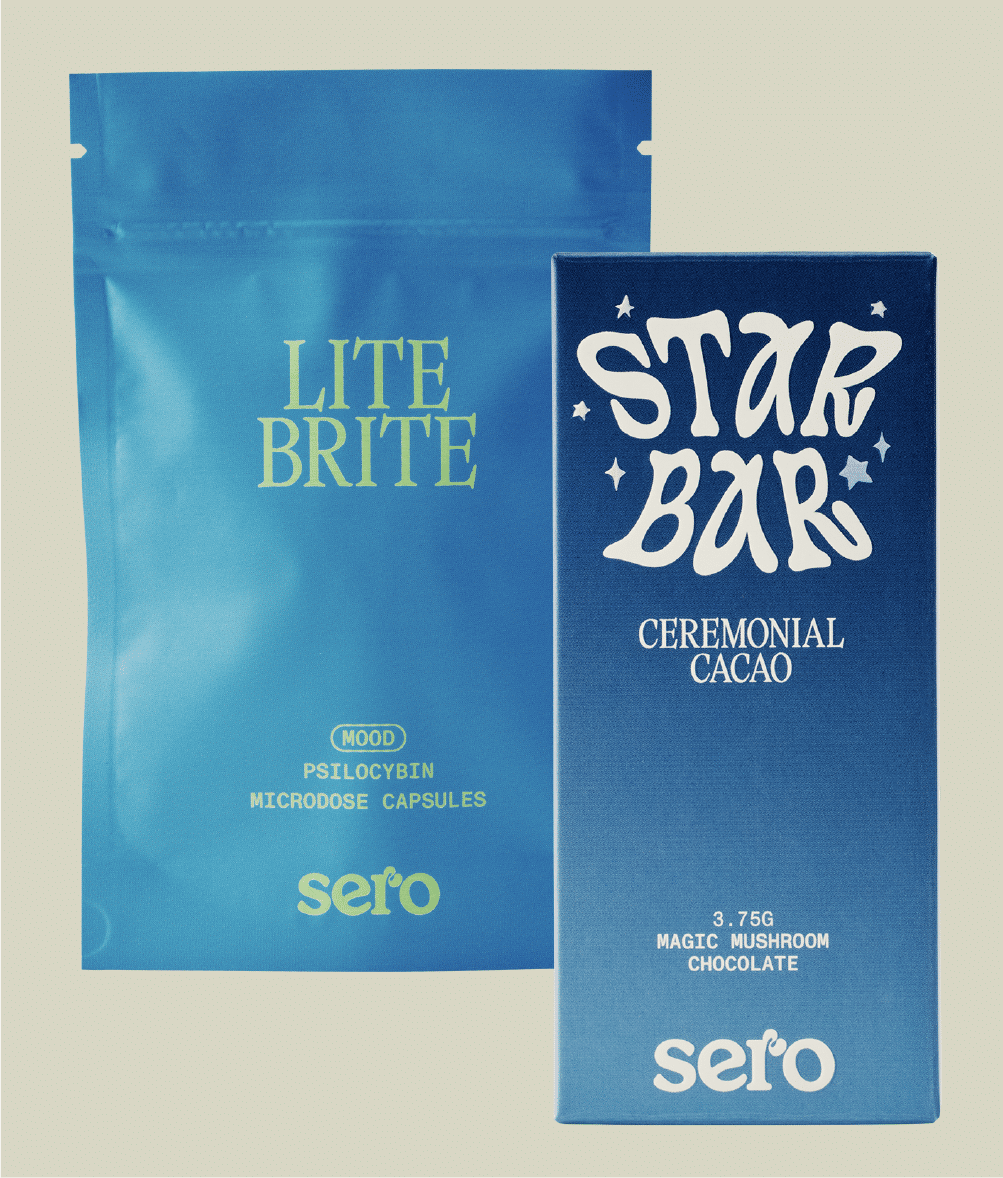
Feel Lifted
Looking to microdose and macrodose to improve your mood? Get started with this bundle. .

Psilocybin is not legal in Canada for general use. Health Canada says the production, sale and possession of magic mushrooms are illegal unless Health Canada authorizes them, and that applies in every province and territory. The legal ways in are narrow: clinical trials, the Special Access Program and individual exemptions. At Sero we write about psilocybin for people interested in mental clarity, emotional balance and creativity, and we think you should understand the law first. This guide covers where the rules stand, why storefronts and online shops can make the picture look blurrier than it is, and what the legitimate routes look like.
Canada’s Controlled Drugs and Substances Act (CDSA) sets the rules for drugs across the country. Under the Act’s schedules, psilocin is item 11 and psilocybin is item 12 of Schedule III, each including any salt of the substance. Psilocybin is the compound in magic mushrooms. Psilocin is the compound your body converts it into.
Being in Schedule III means the following activities are prohibited unless authorized:
The Act is federal, so a provincial government cannot simply declare mushrooms legal. Only Ottawa can change the schedules, or Health Canada can grant an authorization.
Penalties depend on the activity and on how the case is prosecuted. A federal law guide summarizes the CDSA this way:
| Activity | Maximum on indictment | Summary conviction |
|---|---|---|
| Unauthorized possession | Up to 3 years in prison | Up to $1,000 and 6 months (first offence); up to $2,000 and 1 year (repeat) |
| Trafficking or possession for trafficking | Up to 10 years | Up to 18 months |
| Production, import or export | Up to 10 years | Not set out in that guide |
These are maximums. Real outcomes vary widely, and many possession cases never reach that stage. Local reporting shows the range of enforcement, though. In Montreal, for example, police raids on a dispensary chain led to arrests and seizures of bulk mushrooms, edibles and tablets, and the same report describes possession as punishable by a fine and up to three years in jail.
If you are facing a charge or have a legal question about your own situation, speak to a criminal defence lawyer in your province.
Many people reasonably ask whether psilocybin has been decriminalized, since shops operate openly in some cities. Enforcement is inconsistent. Psilocybin is sold openly online and in storefronts in some cities while police raid stores in others, and that leads many people to believe it is legal, decriminalized or a grey market. Possession, trafficking, cultivation, import and export remain illegal everywhere without a licence or exemption.
Two distinctions help:
The same reasoning applies to products sold online. Whatever a website says, the law that applies is the CDSA.
BC ran a section 56 decriminalization exemption allowing personal possession of up to 2.5 grams of certain drugs. It covered opioids, cocaine, methamphetamine and MDMA, and never applied to psilocybin. It was amended in May 2024 to re-criminalize public possession and use, and it expired on 30 January 2026 without renewal. If you read that “BC decriminalized drugs,” that never included magic mushrooms.
Ontario has no decriminalization or regulated retail model for psilocybin. Neither do Quebec, Manitoba, Saskatchewan, the Atlantic provinces or the territories. Federal law governs everywhere.
Some provinces have built health-care frameworks around approved psychedelic treatment. A 2026 guide reports that Alberta requires clinics offering psychedelic-assisted therapy to hold a provincial licence, with a psychiatrist overseeing care, and that Quebec’s public insurer has paid for psilocybin-assisted therapy in some approved cases. These rules govern clinical care. They do not make psilocybin available for general use, and a provincial licence does not replace federal approval.
For more on how therapy fits into this picture, see our explainer on how psychedelic therapy works in Canada.
Three questions come up repeatedly.
Dispensaries. Health Canada’s licensing page says restricted drugs such as psilocybin have no approved therapeutic uses and can only be used for clinical testing or laboratory research. It adds that even licensed dealers cannot sell or advertise controlled substances to the general public. There is no licensing scheme for a psilocybin retail shop in Canada.
Spores. Spores do not themselves contain psilocybin, which is why they are sold so widely. Legal analysis points out that CDSA sections 2(2)(b) and 7.1(1) cover things used or intended for producing a controlled substance, so the position on spores is that they are illegal if intended for cultivation, although that prohibition appears to be rarely if ever enforced. Treat spores as a legal risk, not a safe harbour.
Foraging. Wild mushrooms containing psilocybin are still covered by the same prohibition on possession and production. If you are curious about the species themselves, our guides on wild magic mushrooms in Canada and foraging in Canada cover identification and the risks of misidentification.
Health Canada lists three pathways: clinical trials, the Special Access Program and individual subsection 56(1) exemptions. Each is aimed at patients with a clinical need, not at people seeking wellness benefits on their own.
The SAP lets practitioners request access to drugs that are not otherwise available in Canada. For serious or life-threatening conditions, the request must be made by a regulated health care practitioner on a patient’s behalf. Requests are assessed case by case and approval is not guaranteed. You cannot apply for yourself.
Health Canada also states that there are no approved therapeutic products containing psilocybin in Canada or elsewhere, so safety, efficacy and quality have not been assessed by the department. It encourages anyone with a mental health disorder to talk with their health care provider.
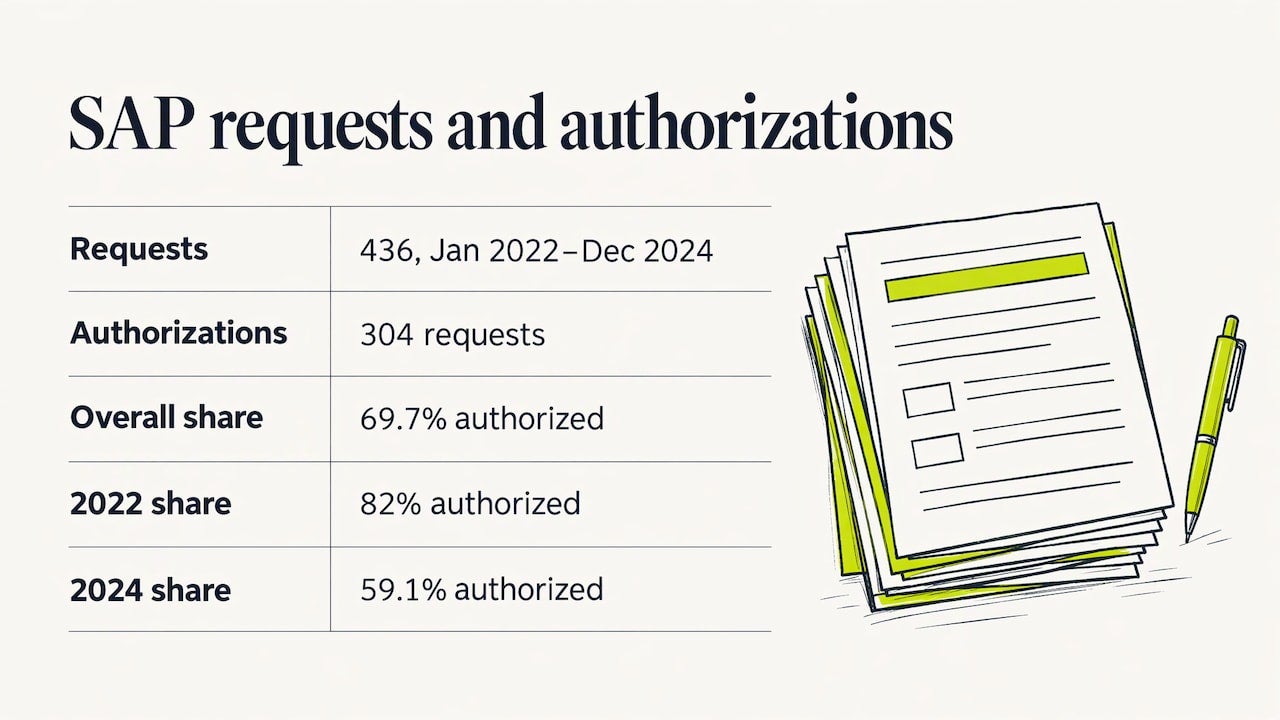
The numbers show how the program has been used. A peer-reviewed analysis using Access to Information data found the SAP processed 436 psilocybin requests from January 2022 to December 2024 and authorized 304, or 69.7%. The authorized share fell from 82% in 2022 to 59.1% in 2024. The authors suggest practical barriers, such as demanding documentation that deters clinicians, are a likelier explanation than new safety concerns.
A later Parliamentary reply, analyzed in an October 2026 piece, reported 354 approved psilocybin applications from 2022 into part-year 2026. The same analysis notes that an approval is permission to sell a specified quantity, not a count of patients treated, and that the figures differ from earlier published counts. Treat any single number as a snapshot and check the most recent official reporting.
Subsection 56(1) of the CDSA lets the Minister of Health exempt a person or class of activity from the Act when it is in the public interest or for a medical or scientific purpose. A class exemption that took effect on 5 January 2022 covered practitioners, pharmacists, hospital staff and licensed dealers handling psilocybin or MDMA authorized under the SAP. Health Canada’s notice on it said it would be revoked when the new Controlled Substances Regulations took effect on 1 October 2026. Because this area is changing, check Health Canada’s page for what applies now.
A separate class exemption, effective 20 September 2025, covers participants in authorized clinical trials with at-home administration of psilocybin or MDMA. It exempts them from possession and return-transport provisions. The conditions include getting the drug from the qualified investigator, securing it against loss or theft, and reporting any loss or theft to Health Canada within 10 days.
If you want to know about psilocybin clinical trials in Canada, the key point is that they are the main legal route for receiving psilocybin outside the SAP. Trials need Health Canada authorization, and they recruit for a specific condition with strict eligibility criteria.
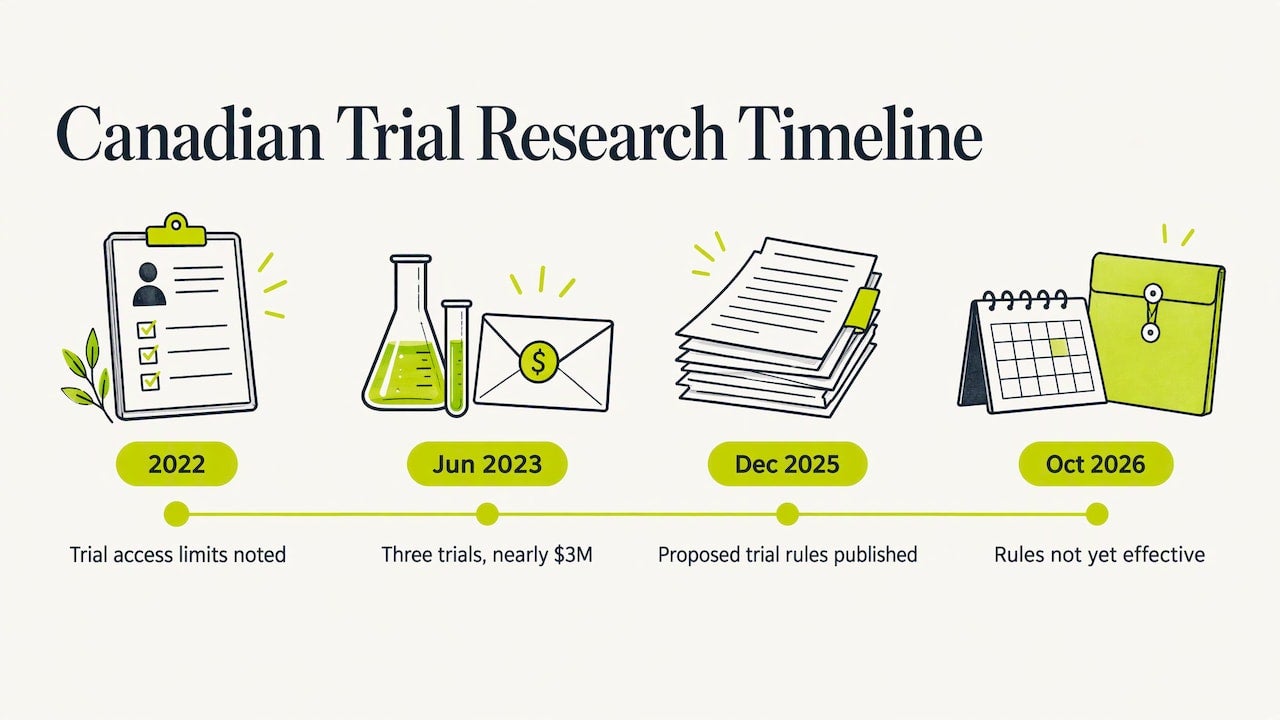
That makes them a narrow door. Course material from Simon Fraser University notes that the 2022 regulatory analysis acknowledged a trial may not be recruiting for a drug, or in a patient’s area, when someone needs it. The same material says the federal government announced nearly $3 million through CIHR in June 2023 for three psilocybin-assisted psychotherapy trials. It also says that proposed Clinical Trials Regulations published in December 2025, which would issue contingent trial authorization within 7 days of a complete application, had not taken effect as of October 2026.
If you are interested in a particular condition, our pages on psilocybin and addiction research and microdosing for PTSD summarize what Canadian studies have explored. For a broader introduction, our guide to psilocybin and psychedelic therapy is the place to start.
Several things move this topic along, and each can alter the picture:
The habit worth building is simple: when you read that something “is now legal,” look for the Act, regulation or Health Canada notice that says so.
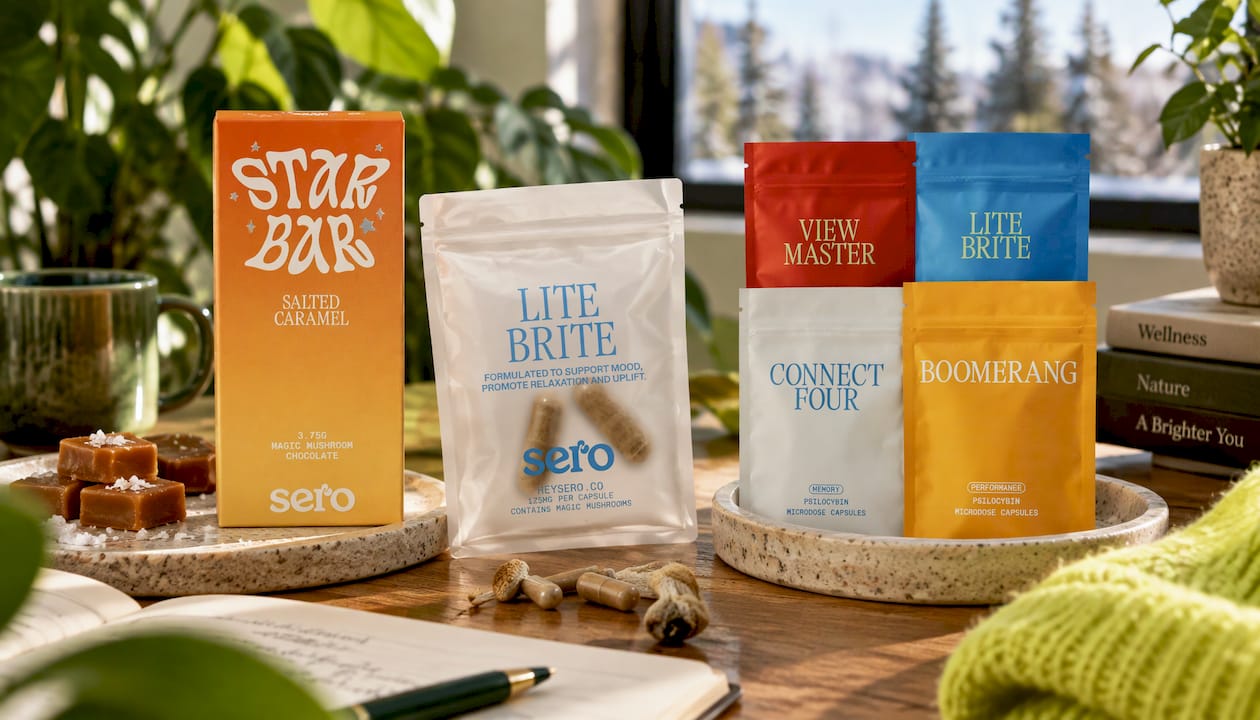
People who come to this topic for mental clarity, emotional balance or creative energy deserve a clear view of the law and of what they are choosing. That is the premise of how we work at Sero. We offer microdosing capsules, magic mushroom chocolate and magic mushroom tea, made from sustainably harvested, ethically sourced mushrooms and paired with educational guides on responsible use. More than 5,000 reviews describe the results people have had.
If you want to see the range, start with our microdosing capsules, the chocolate or the tea. Our guide on how to buy magic mushrooms online in Canada walks through what to look at before an order.
If you want it delivered, the details are on our Canadian delivery page.
No. Psilocybin and psilocin are Schedule III substances under the CDSA, and Health Canada says production, sale and possession of magic mushrooms are illegal unless authorized. This applies across all provinces and territories.
No licensing scheme exists for psilocybin retail in any province. Some storefronts operate openly and some are raided, but enforcement differences do not change the underlying law.
No. BC’s decriminalization exemption never included psilocybin, it was narrowed in May 2024 and it expired on 30 January 2026. Federal prohibition on psilocybin applies in BC as it does elsewhere.
The routes are authorized clinical trials, the Special Access Program (requested by a health care practitioner for a serious or life-threatening condition) and individual section 56(1) exemptions. Approval is decided case by case and is not guaranteed.
Health Canada’s page on psilocybin and the federal Justice Laws site for the CDSA are the primary references. Both are updated when the rules change.
This article is for educational and informational purposes only and does not constitute medical advice. Psilocybin is a controlled substance in Canada, legal access is limited. Always consult a qualified healthcare professional before considering microdosing, particularly if you have an existing medical condition or take medication.