Feel Lifted
Looking to microdose and macrodose to improve your mood? Get started with this bundle. .
A microdose is a very small amount of a substance, taken on purpose so that it does not produce the full effect of a regular dose. With psychedelics, the usual meaning is roughly one-tenth to one-twentieth of a recreational dose, small enough that you don’t have a “trip”. For psilocybin mushrooms, that works out to a fraction of a gram of dried mushroom. At Sero, we make microdosing capsules, chocolates and teas for adults who want to use psilocybin this way, and we explain the term below so you can read any label or guide with confidence.
The word has two layers, and search results mix them up.
The general meaning comes from the dictionary: a microdose is an extremely small dose of a medicine or drug. Cambridge Dictionary describes it as a very small dose of a psychedelic drug taken to help with problem-solving or new ideas, or for issues such as anxiety, depression or headaches. It adds that a microdose is generally considered to be one-twentieth to one-tenth of a recreational dose.
The verb “to microdose” and the noun “microdosing” describe the practice: taking those small amounts regularly, not just once. A Norwegian interview study published in 2018 defines it as a dose small enough that it causes no intoxication and no significant change in consciousness, about a tenth of an ordinary recreational dose.
A second, technical meaning exists in drug development. There, a “microdose” study gives volunteers extremely low quantities of a test substance to see how the body handles it. That is the sense in the first two search results for this phrase. If you landed here because of psychedelics, wellness or mood, the first meaning is the one you want, and it is the one this article covers.
There is no single official number. Researchers agree on the ratio more than on the amount. A 2024 critique in a peer-reviewed journal uses the generally accepted one-tenth to one-twentieth definition and arrives at the figures below.
| Substance | Typical microdose | Where it comes from |
|---|---|---|
| LSD | About 10 to 20 micrograms (some researchers suggest 6 to 20) | Petranker et al., 2024 |
| Psilocybin (the active compound) | About 1 to 2 mg (some researchers suggest 0.8 to 5 mg) | Petranker et al., 2024 |
| Dried psilocybin mushrooms | About 0.1 to 0.25 g | BC Centre on Substance Use, 2024 |
| Dried psilocybin mushrooms | About 0.3 g typical | WebMD, 2025 |
A micro-gram is a millionth of a gram, and a milligram is a thousandth. So 1 mg of psilocybin is a tiny quantity of the pure compound, while 0.3 g of dried mushroom is 300 mg of plant material, which contains only a small share of psilocybin. That difference is why you will see both “mg” and “g” in guides and why they look so far apart.
It sits inside the wider 0.8 to 5 mg range some researchers use, but above the core 1 to 2 mg estimate. In other words, 2.5 mg of psilocybin is at the upper end of what most sources would still call a microdose.
For dried mushrooms, the published figures centre on a few tenths of a gram. The BC Centre on Substance Use lists 0.1 to 0.25 g, and a CBC News survey report found microdosers typically took 0.2 to 0.5 g of dried mushrooms or 10 to 20 micrograms of LSD.
The same BC Centre on Substance Use sheet lays out dried mushroom doses in tiers:
Take 0.25 g as a microdose and 2.5 g as a moderate dose. The microdose is a tenth of the moderate one. That ratio is the whole idea: the amount is deliberately set so you can go about your day, whether that is work, a studio session or a school run. Our guide on macrodosing versus microdosing goes through the differences between the two in more detail.
Not necessarily. This is the most common misunderstanding of the term.
A 2022 systematic review notes that people often report subtle effects at these doses, and suggests “sub-hallucinogenic” is a better description than “sub-perceptual”. Polito and Stevenson’s 2019 study describes a sub-threshold dose, one at which people aim not to feel “high” and where only minimal acute drug effects can be identified. They report doses as small as one-twentieth of a typical recreational dose, for example 6 to 25 micrograms of LSD or 0.1 to 0.5 g of dried psilocybin mushrooms.
So the working definition is this: a microdose should not change how you see or perceive the world, though you may notice a slight lift in energy or a different feel to your day. We cover what people report in Microdosing: Feeling the Effects.
The same 2022 review explains why “microdose” stays loose. It names three reasons:
Potency is the practical issue. Dr. Peter Grinspoon, writing for Harvard Health, notes that mushroom potency varies greatly outside clinical trials, which makes dosing imprecise. Two caps of dried mushroom of the same weight can hold different amounts of psilocybin. This is why a consistent, measured format matters more than the headline gram figure. It is also why capsules, chocolates and teas with a set amount per serving are easier to work with than loose mushroom you weigh yourself.
Microdosing is a pattern, not a single event. The CBC News report on a survey of microdosers found people took their doses about once every three days or weekly. Many also keep notes on mood, focus and sleep so they can see what changes over time. We make a Microdose + Mood Tracker Magnet for exactly that kind of log.
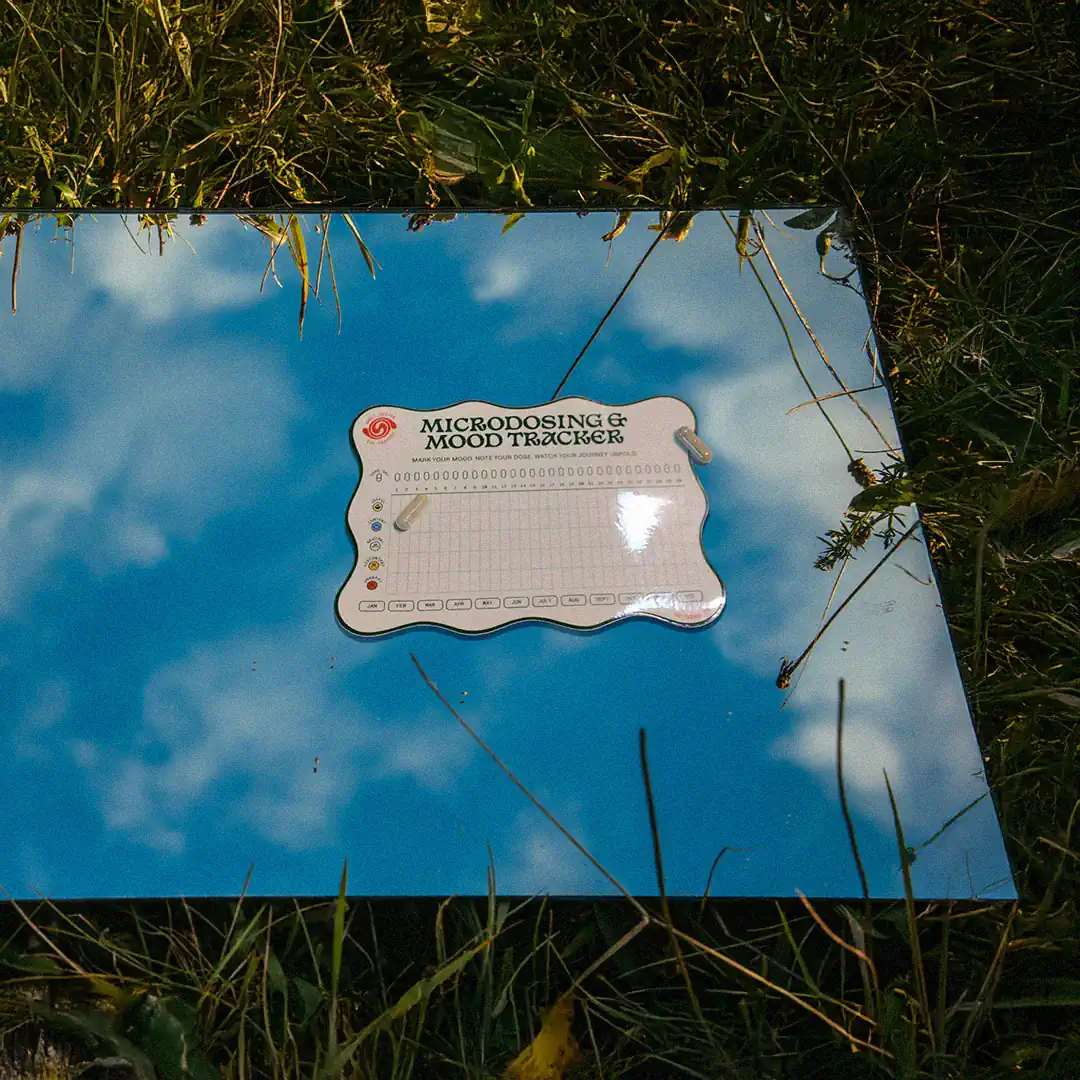
The pattern is part of the meaning. Taking 0.2 g once is a small dose. Taking it on a regular schedule for weeks is microdosing.
The reasons people give are fairly consistent across sources. The Psychedelic Society, a UK harm-reduction body, lists common motives such as boosting productivity, focus, energy and creativity, and lifting mood. The Norwegian interview study found participants using 10 to 25 micrograms of LSD or 0.1 to 0.3 g of Psilocybe cubensis, and reporting better mood, cognition and creativity. The CBC survey adds better connection with others to the list.
That maps onto what most readers of this page are after: mental clarity, emotional balance, creative energy. If one of those is your reason, a few of our guides go deeper:
If you take prescription medication or have a mental health condition, speak with your doctor or pharmacist before you change anything about your routine. They can look at your whole picture in a way a general article can’t.
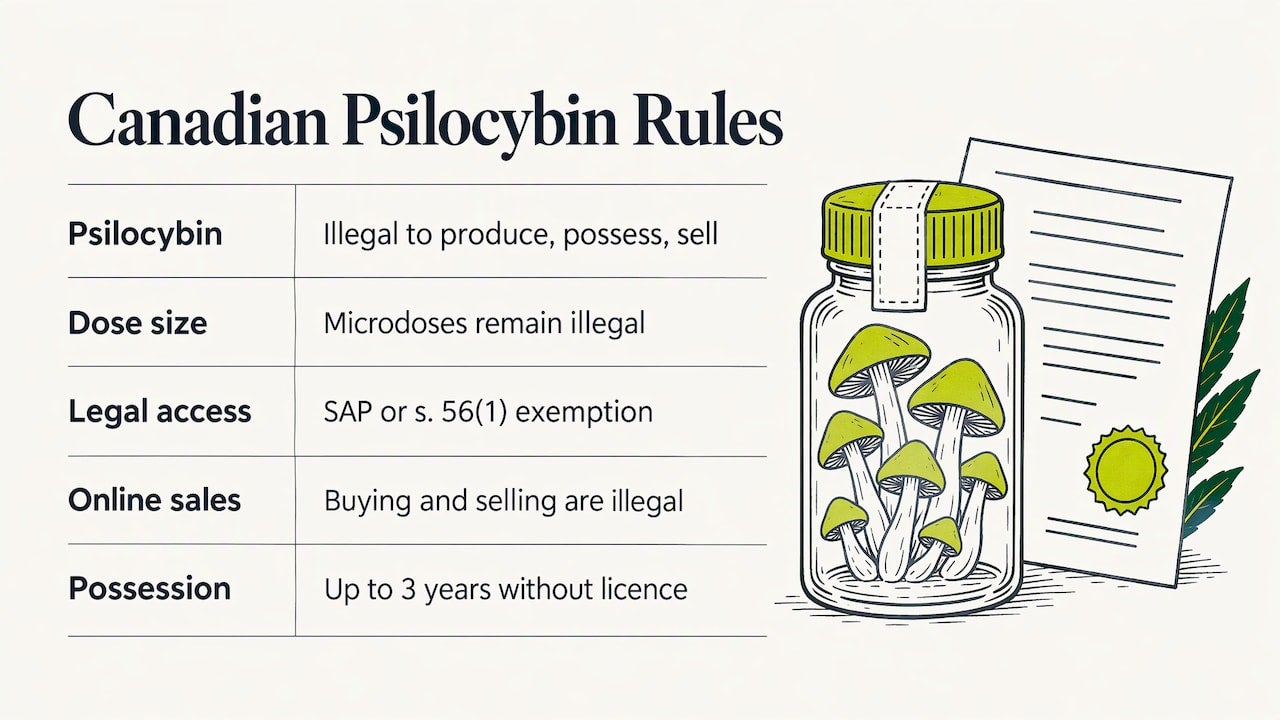
This is part of the meaning in Canada, because the amount does not change the legal status.
The BC Centre on Substance Use states that psilocybin mushrooms are illegal to produce, possess or sell in Canada, and that there are no approved therapeutic products containing psilocybin. Psilocybin can be accessed legally through Health Canada’s Special Access Program or a section 56(1) exemption under the Controlled Drugs and Substances Act, which covers scientific, clinical, import or medical purposes.
CAMH says the same in its May 2026 FAQ: psychedelics are illegal in Canada except in very specific circumstances, such as physicians and scientists asking Health Canada for access for research or, rarely, for patients with life-threatening conditions. It also states that selling or buying psychedelics online and storefront dispensaries are illegal.
On small amounts, a CBC Radio report quotes Dr. Lewin saying it is still illegal to buy, sell or possess psilocybin in microdosing amounts, and that law enforcement does not distinguish small doses from large ones. CBC News reported in 2018 that psilocybin and LSD are Schedule III substances in Canada, with a maximum penalty of three years in prison for possession without a licence.
Rules can change, so check Health Canada’s current guidance before making decisions based on any legal summary, including this one.
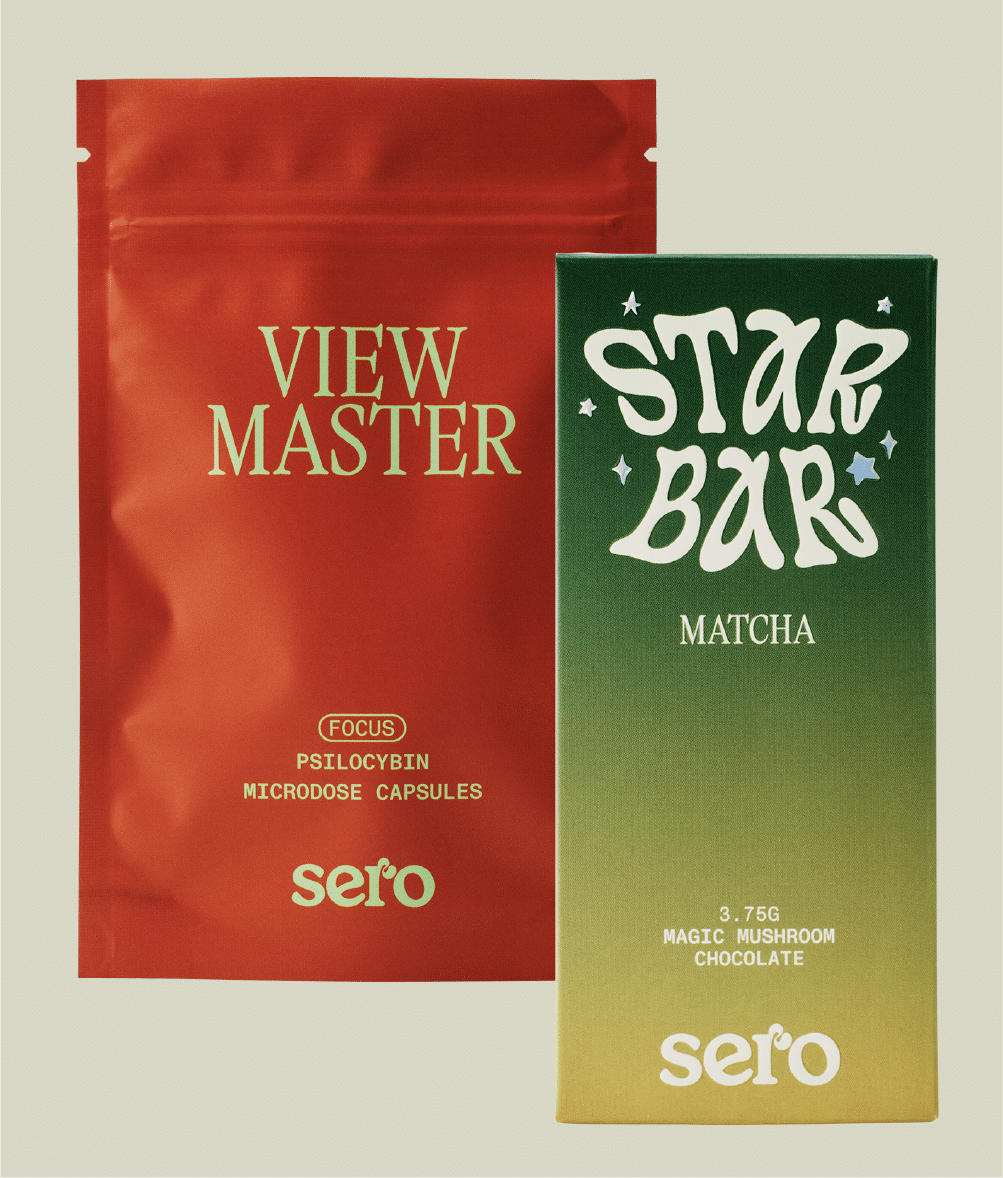
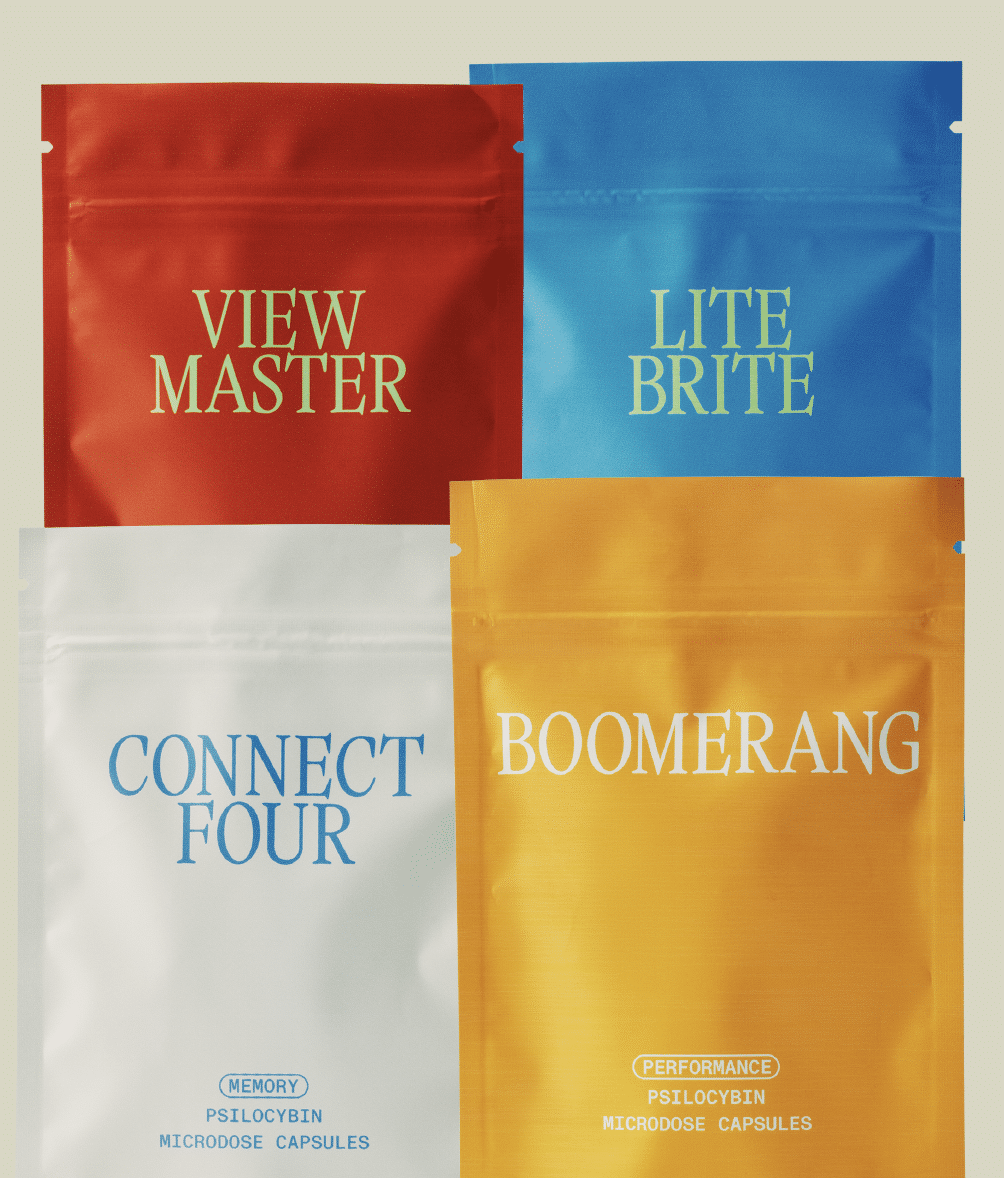
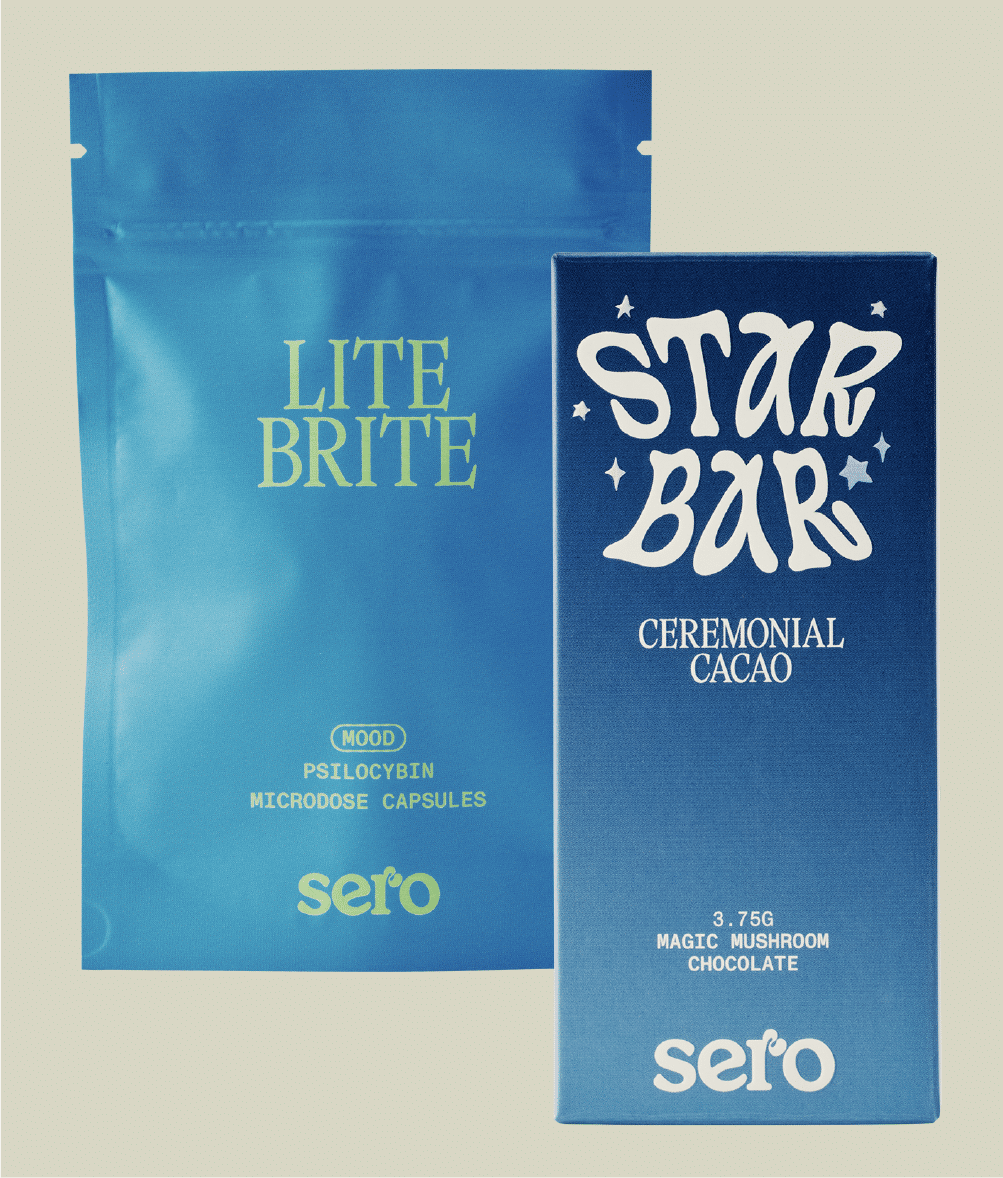
Microdosing only works as a routine if the amount is the same each time. That is the idea behind our products: microdosing capsules, magic mushroom chocolate and magic mushroom tea, made from sustainably harvested, ethically sourced mushrooms that we describe as chemical-free.
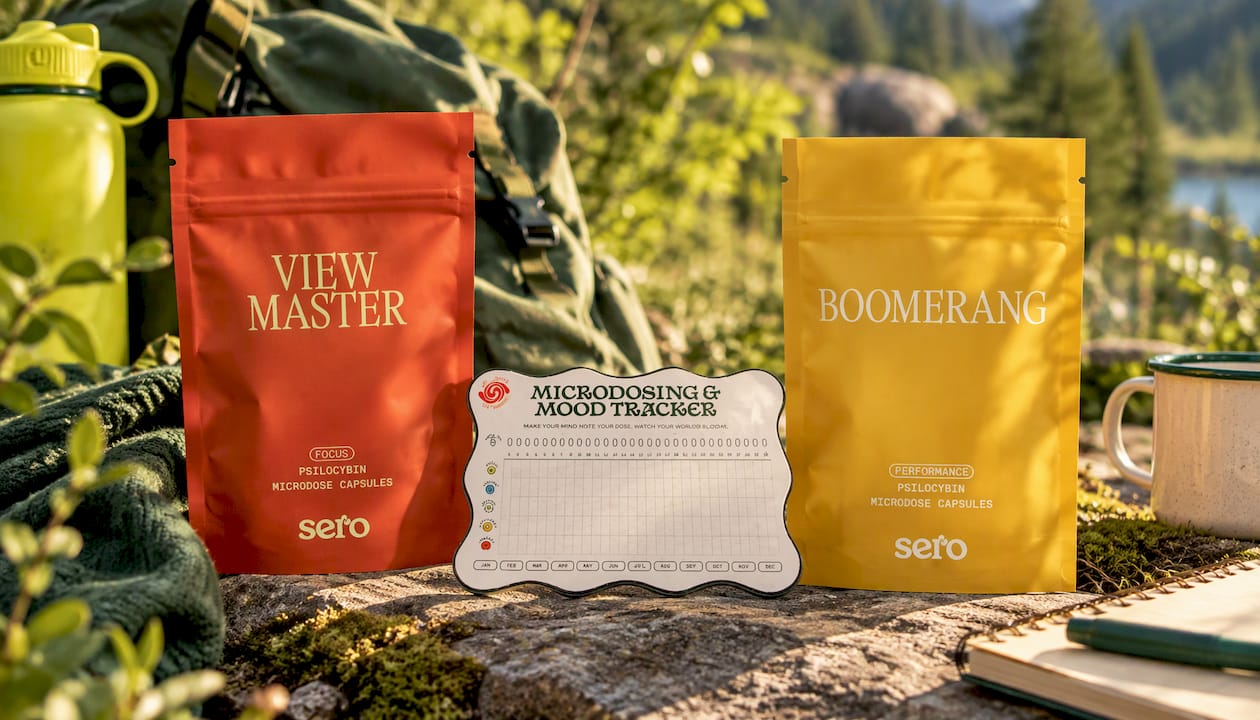
If you are an adult exploring this, you can browse our microdosing capsules, magic mushroom chocolate and magic mushroom tea. Each comes with educational resources and guides for responsible use, and we have written about everything from strain strength to swapping alcohol for microdosing. Our community of customers has left over 5,000 reviews.
When you meet the word in a guide, a label or a conversation, four questions tell you what it means:
One more point on terms. In a different context you may see people talk about “microdosing” other medicines, such as weight-loss injections. That is a separate use of the word, meaning smaller-than-standard medical doses, and it is outside the scope of this page.
A microdose is a very small amount of a drug, typically one-twentieth to one-tenth of a recreational dose. With psychedelics, it is taken so you don’t experience a full trip. People usually repeat it on a schedule, often every few days.
Published figures run from about 0.1 to 0.5 g of dried mushroom. The BC Centre on Substance Use lists 0.1 to 0.25 g, and WebMD gives about 0.3 g as typical. In terms of pure psilocybin, researchers cite roughly 1 to 2 mg, with a wider range of 0.8 to 5 mg.
Sometimes, subtly. Researchers suggest “sub-hallucinogenic” is a fairer description than “too small to notice”. A microdose should not distort your perception or leave you feeling high, but some people notice small shifts in mood or energy.
No, not outside specific exemptions. Psilocybin mushrooms are illegal to produce, possess or sell in Canada regardless of the amount, with legal access limited to routes such as Health Canada’s Special Access Program for medical or scientific purposes. Check Health Canada for the current position.