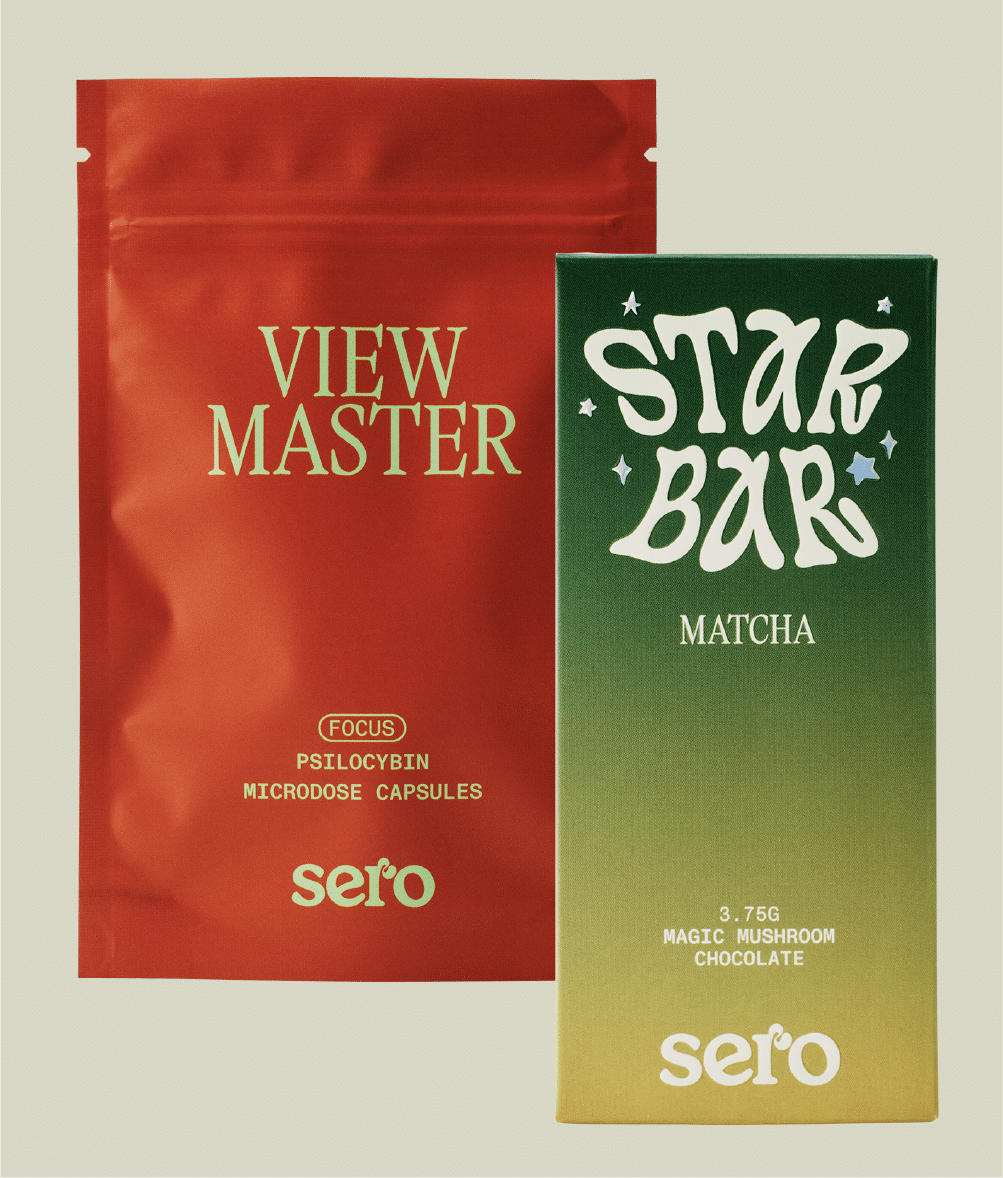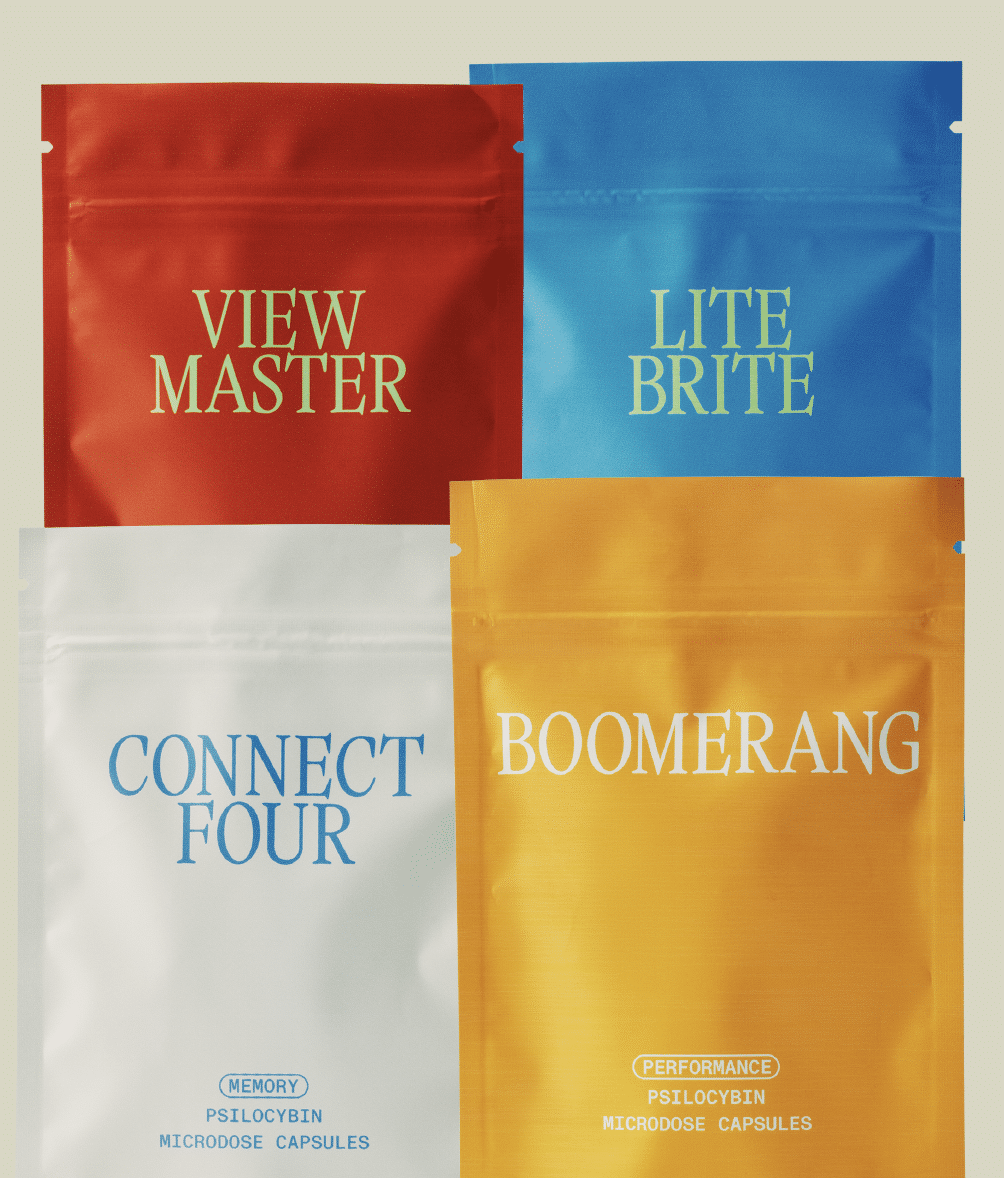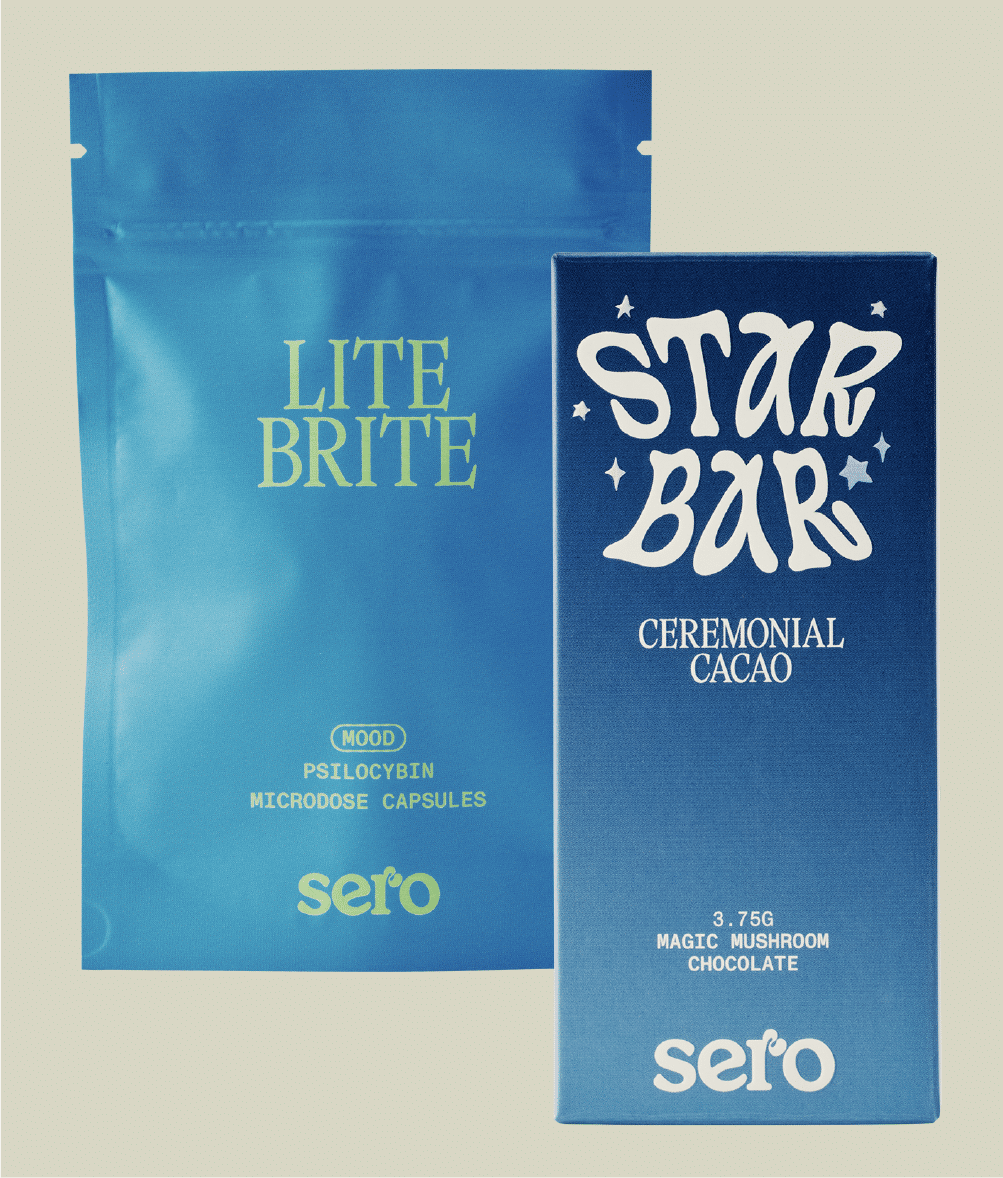
Feel Lifted
Looking to microdose and macrodose to improve your mood? Get started with this bundle. .

Grief does not follow a schedule, and for some people it does not ease with time. Researchers are now studying psilocybin, the active compound in magic mushrooms, as a way to help people who feel stuck in loss. The work is early, but the direction is clear: psilocybin appears to open a window for emotional processing, and the best-studied approach pairs it with structured preparation and follow-up rather than a one-off experience. This guide explains what is being tested, what the findings suggest, how clinical research differs from everyday microdosing, and how to approach the subject carefully. At Sero, our educational guides and our microdosing capsules, chocolates and teas are built around that same idea: informed, intentional use.
Most people move through bereavement with time and support. A smaller group develops prolonged grief disorder, a recognised condition in which longing, preoccupation with the loss and difficulty functioning persist long after the death. The 2025 narrative review linked above puts the figure at up to 10% of bereaved people. A Neuropsychopharmacology review from January 2026 describes PGD as a prime treatment target for psychedelics, because the transcendent, mystical and “oneness” experiences psilocybin can produce may speak directly to the existential distress of losing someone.
There is also a gap in current care. The team behind the PARTING trial notes that best-practice treatments for PGD are lengthy, and up to 50% of participants still have persistent symptoms afterwards. They also note there are no known effective pharmacological approaches for PGD. That gap is why the research community is paying attention.
If you are asking about mushrooms or psychedelics for grief in a general sense, not a diagnosis, the same logic applies. Psilocybin is studied for its capacity to shift perspective, soften rigid thought patterns and make emotions easier to approach. Our guide on psilocybin and neuroplasticity explains the brain-flexibility idea behind this in plain terms.
The evidence base is small but growing. Here is what stands out.
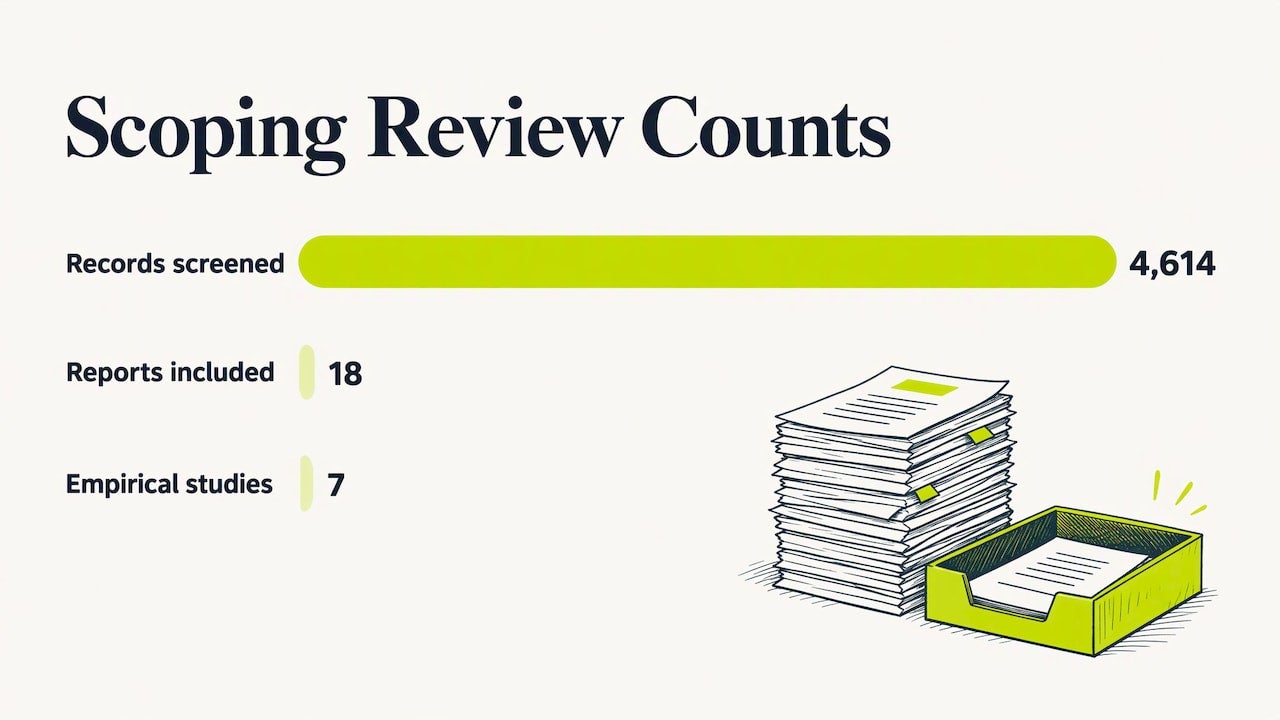
The 2025 narrative review found that preliminary survey-based studies and an open-label trial suggest a consistent trend toward reduced grief. A scoping review in Omega screened 4,614 records and included 18 reports, seven of them empirical studies of psychedelics and grief. It found generally positive outcomes in grief symptom reduction and few reports of adverse events or negative outcomes.
The PARTING trial is described as the first study to test psilocybin-assisted psychotherapy for prolonged grief. Its published protocol describes an open-label pilot of about 15 people with cancer-related PGD. The structure is worth noticing:
The protocol notes that PGD may affect up to 30% of bereaved carers in oncology settings, which is one reason the team started there.
A second study, registered as NCT06724289, is an open-label feasibility trial of a single 25 mg dose in an estimated 12 people with PGD. Participants have brain scans (fMRI) before and after dosing. It started in March 2026 and is expected to run into 2027, so results are still to come. UVA Health’s announcement says the work is backed by an $895,866 grant from the Tiny Blue Dot Foundation.
Grief often overlaps with anxiety and depression around serious illness. A 2025 Canadian roadmap from the P3A Research Group reports that a single psilocybin dose combined with a few psychotherapy sessions has significantly and sustainably eased anxiety and depression in people with life-threatening illness and existential distress, with serious adverse events rare (under 5%). Our article on psychedelic-assisted therapy for end-of-life distress goes deeper on that setting.
A recurring theme across the research is that the substance is only one part of the design. In clinical studies, the dose sits between preparation and integration. Ryan Moss of Filament Health describes the model in Hospice News: weeks of preparation, a session supported by a physician and therapist, and several weeks of follow-up to weave the experience into the grief process. He argues this is the most effective way to address grief, because a difficult experience without guidance could be harmful for someone already grieving.
You can take three practical lessons from that model, whatever your path:
If you want a fuller picture of how guided programmes are organised, our guide to psilocybin and psychedelic therapy walks through it. Our piece on psychedelic somatic interactional therapy shows how body-based approaches can work alongside psilocybin, which matters because grief is often felt physically before it is understood.
The trials above use a 25 mg dose in a supervised programme. That is a full psychedelic dose, designed to produce an intense experience over several hours. Microdosing is a different practice: small amounts, taken on a regular rhythm, that most people use to support mood, focus and emotional balance in daily life without a full psychedelic experience.
This distinction is useful when you read headlines. Trial results describe the supervised programme, not microdosing. What microdosing offers is a gentle, everyday practice for people who want steadier emotional footing, more mental clarity or space to be creative while they carry loss. Our guide to microdosing for PTSD covers how people think about regular low doses when the nervous system feels overloaded, which is also a common description of acute grief.
Psilocybin changes perception and emotion, so it is worth planning with care, particularly when you are already emotionally raw.
Short-term effects. CAMH notes that short-term negative effects can include distress, fear, anxiety, paranoia and loss of motor coordination, and that higher doses raise the risk. The same page stresses that people are vulnerable during psychedelic experiences, which is why oversight and good support matter.
Common side effects. The P3A roadmap lists nausea, headaches, transient blood pressure increases, and anxiety or confusion.
Who is usually excluded from studies. The roadmap notes that clinical studies commonly exclude people with a personal or family history of psychotic disorders, bipolar I disorder, severe personality disorders, epilepsy or significant cardiovascular conditions. Pregnancy, breastfeeding and serotonergic medications are also exclusions.
Antidepressants. The same roadmap flags a risk of serotonin syndrome and the possibility that antidepressants can dampen psilocybin’s effects. It also notes that small studies suggest continuing SSRIs during therapy appears safe, while stopping them may reduce response. Never change or stop a prescription on your own. Your prescribing doctor or pharmacist is the right person to ask.
When grief needs more than self-care. If your loss feels unmanageable, if you cannot function at work or at home, or if you have thoughts of harming yourself, see your family doctor or go to an emergency department. In Canada you can also call or text 9-8-8, the national suicide crisis helpline, at any hour.
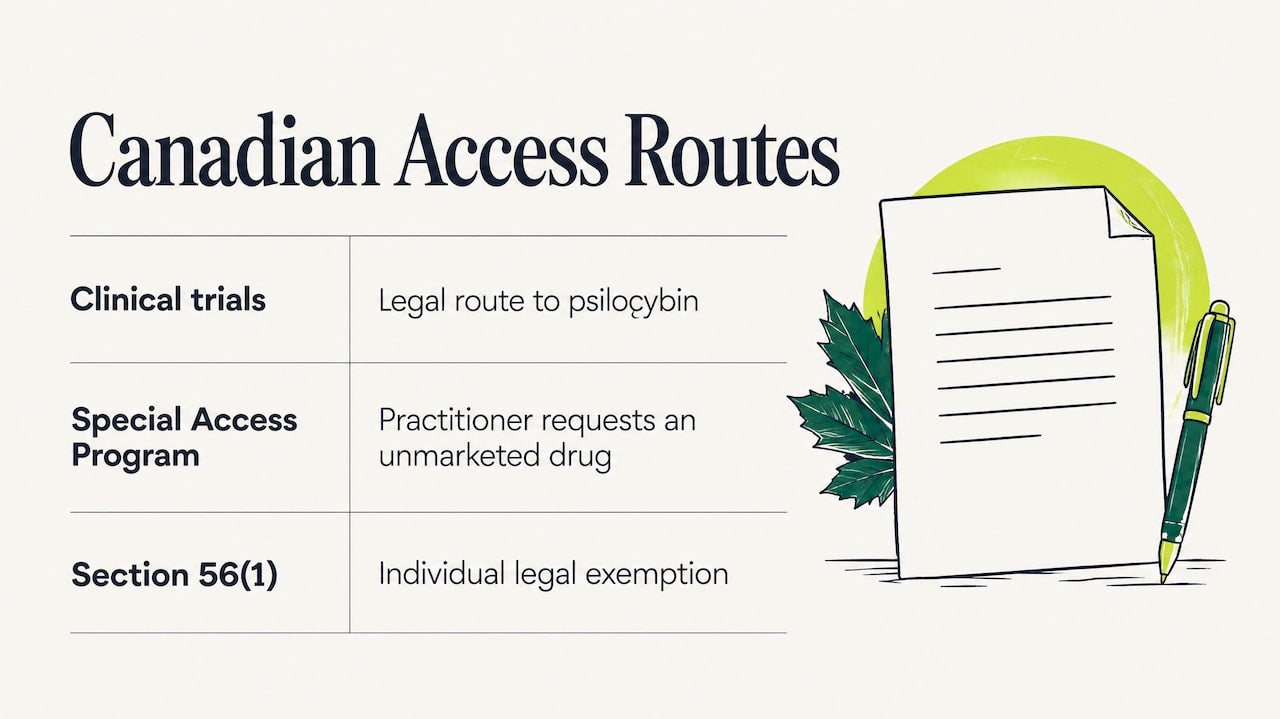
Psilocybin is a controlled substance in Canada. Health Canada states that no therapeutic products containing psilocybin are approved, and that production, sale and possession of magic mushrooms remain illegal. It identifies three legal routes to psilocybin: clinical trials, the Special Access Program (a process in which a practitioner requests a drug that is not marketed in Canada for a specific patient), and individual exemptions under section 56(1) of the Controlled Drugs and Substances Act. Health Canada says trials and the Special Access Program should be pursued first, and it encourages people seeking mental health support to speak with their health care provider about the options.
The P3A Research Group’s Canadian roadmap adds that few physicians and therapists are trained to offer psilocybin therapy, and that case-by-case review creates delays that patients with limited time cannot afford. The group argues that laws should be adapted to streamline access. If you follow the policy conversation, our overviews of what lawmakers think about magic mushrooms and mental health and Thomas’ Bill track where the debate is heading.
Whatever you decide about psilocybin, these steps serve most grieving people well.
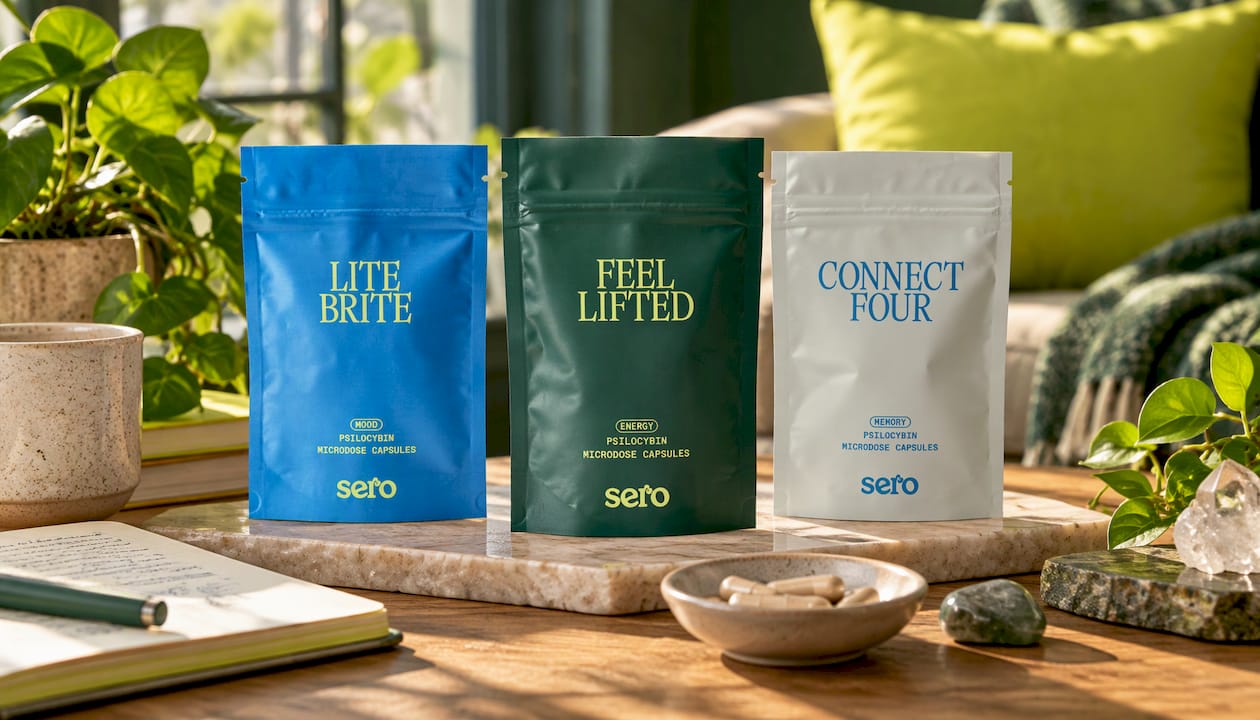
People who come to us during a loss are usually looking for steadier mood, mental clarity and room to feel without being overwhelmed. Sero offers sustainably harvested, chemical-free psilocybin products in three formats: microdosing capsules for a measured, routine approach, magic mushroom chocolate for those who prefer a gentler way to take them, and magic mushroom tea for a slower, ritual-style preparation. Our blends combine functional ingredients aimed at specific goals such as mood, focus, creativity and emotional balance, and our Feel Lifted blend is a natural place to start if lifting your mood is your priority.
Every product comes with educational resources and guides for responsible use, and we acknowledge the Indigenous traditions that psilocybin mushrooms come from. More than 5,000 reviews from our community cite effective results. Grief is personal, so we put the guides first: read them, then choose what suits you.
Researchers think it may. Early survey-based studies and an open-label trial show a consistent trend toward lower grief symptoms, and trials such as PARTING and the University of Virginia study are testing a single 25 mg dose for prolonged grief disorder. The work is still at an early stage, so results from larger studies are what to watch for.
It is being studied there. A 2025 Canadian roadmap reports that a single dose combined with a few psychotherapy sessions has eased anxiety and depression in people with life-threatening illness and existential distress. In Canada, access runs through clinical trials, the Special Access Program or individual exemptions.
Guided therapy includes weeks of preparation, a session supported by clinicians and several follow-up sessions to integrate what came up. That structure is designed to keep a challenging experience supported. Anyone exploring psilocybin outside a clinic can borrow the principles: preparation, a calm setting, a trusted person nearby and time afterwards to reflect.
This is a question for your prescribing doctor or pharmacist. Researchers flag a serotonin syndrome risk and the possibility that antidepressants dampen psilocybin’s effects, and they note that stopping SSRIs may reduce treatment response. Do not change a prescription without medical advice.
Start with your family doctor, who can assess for prolonged grief disorder and depression and refer you to grief-focused psychotherapy or a bereavement group. Researchers note that current best-practice treatments can be lengthy, which is why newer approaches are being studied.
This article is for educational and informational purposes only and does not constitute medical advice. Psilocybin is a controlled substance in Canada, legal access is limited. Always consult a qualified healthcare professional before considering microdosing, particularly if you have an existing medical condition or take medication.