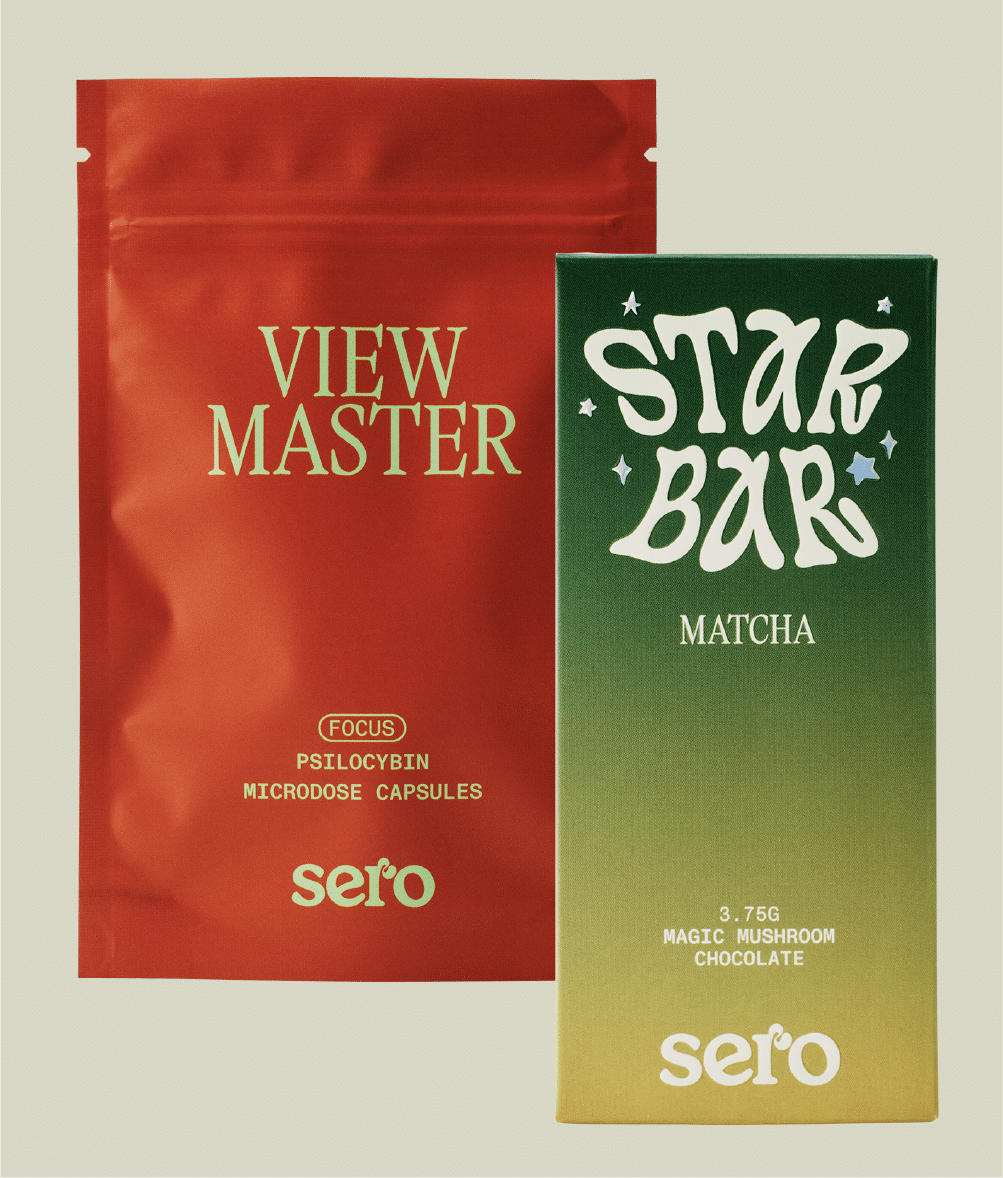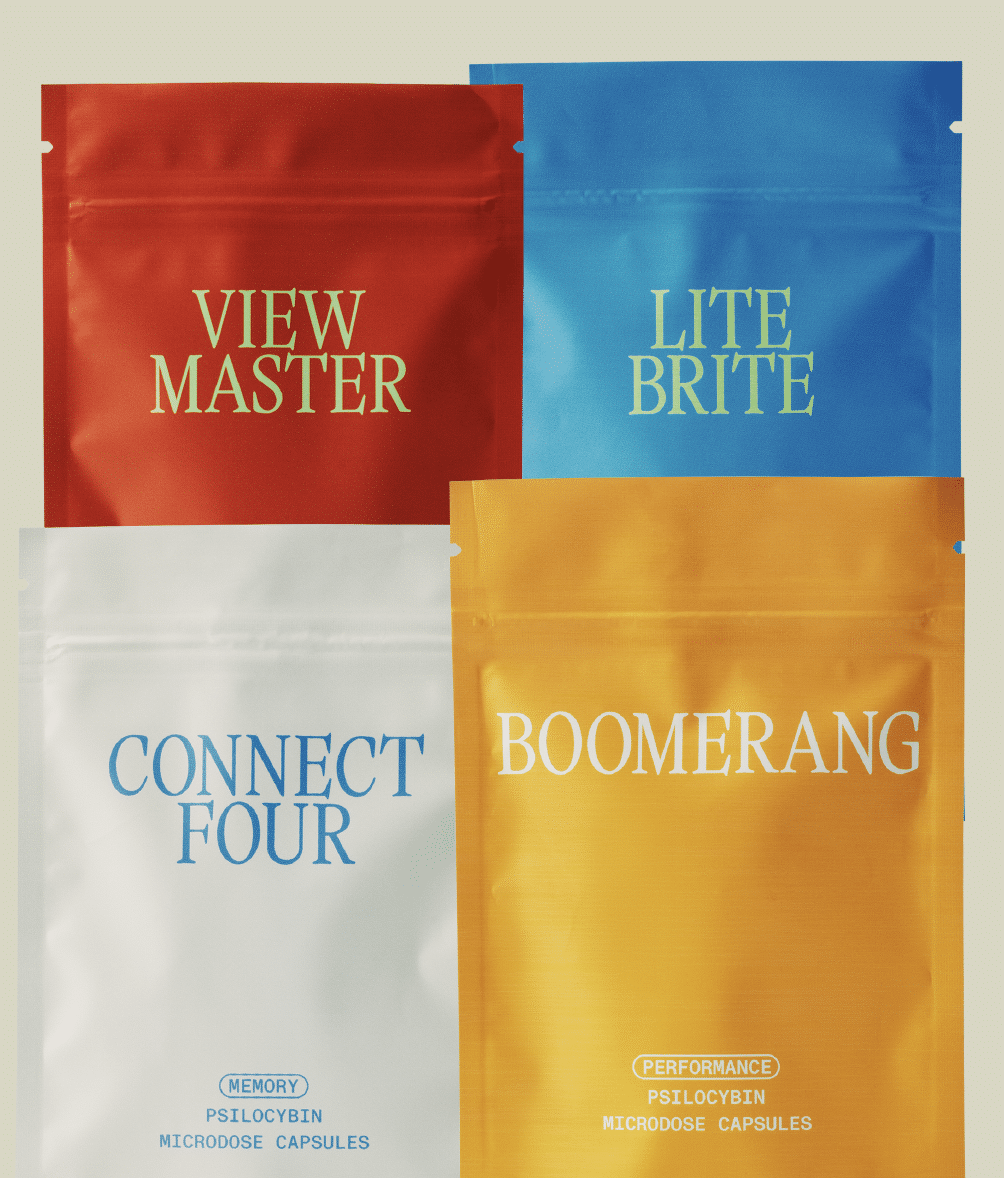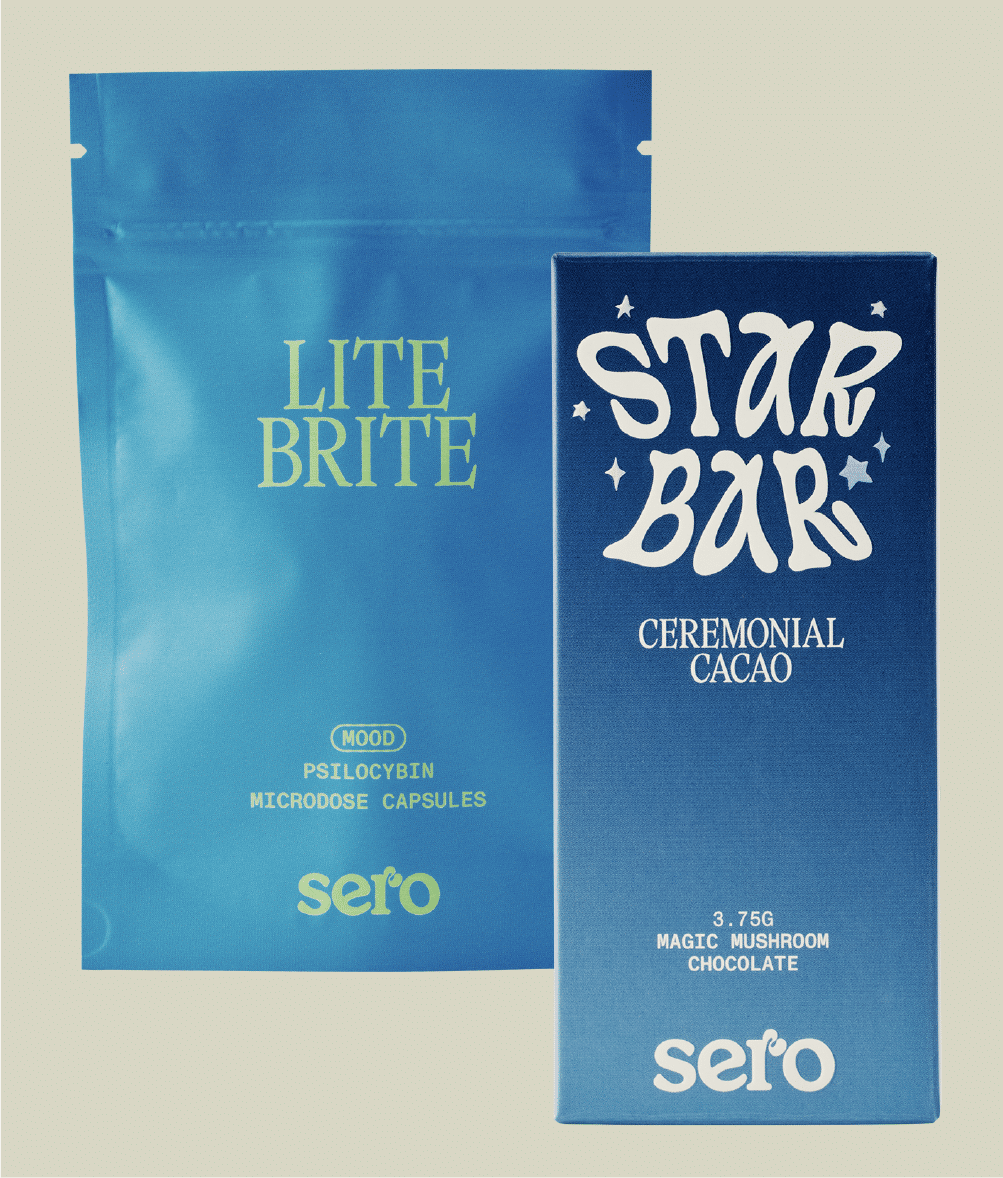
Feel Lifted
Looking to microdose and macrodose to improve your mood? Get started with this bundle. .

Functional mushrooms are edible fungi, such as lion’s mane, reishi, chaga, cordyceps and turkey tail, that people take for what they may do beyond basic nutrition. The usual aims are focus, calm, energy and immune support. They work in a quiet, cumulative way, and that shapes how to choose and use them. If clarity, emotional balance or creative energy is what you want, a well-built blend taken consistently is the sensible way to start. At Heysero, we make capsules, chocolates and teas with that goal in mind, and the sections below explain what to look for.
The phrase is a market term, not a botanical one. It covers mushrooms eaten or taken as supplements for potential wellness and nutritional benefits, not simply for flavour. Teladoc Health lists reishi, shiitake, maitake, lion’s mane, cordyceps, chaga, turkey tail and oyster as the common examples. It also notes that they are not illegal, need no prescription and sit on grocery and health food store shelves.
A few ideas make the rest of this article easier to follow:
How many species could qualify? Researchers believe at least 2,000 mushroom species may have wellness perks. Only a handful are widely sold.
A formulator quoted by New Hope Network describes a “famous five”: turkey tail for immune support, chaga for gut and digestive health, reishi for calm and sleep, cordyceps for energy and endurance, and lion’s mane for brain and focus. The same source adds that lesser-known species can be just as beneficial, which is one reason blends vary so much.
| Mushroom | Traditional or common use | What is known |
|---|---|---|
| Lion’s mane (Hericium erinaceus) | Focus, memory, nerve health | Under study for memory, focus and nerve growth factor, a protein that supports nerve cell growth |
| Reishi (Ganoderma lucidum) | Calm, sleep, immune balance | Contains immune-related polysaccharides; native to East Asia |
| Chaga (Inonotus obliquus) | Gut health, general resilience | Grows on trees in cold climates, including across Canada |
| Cordyceps | Energy, endurance | Commonly taken for stamina |
| Turkey tail | Immune support | Long history of use in traditional medicine |
| Shiitake and maitake | Food and immune support | Rich in beta-glucans, a type of soluble fibre |
Health Canada’s own mushroom monograph, the document that sets what natural health products may contain, names lion’s mane and chaga among its species, with the fruiting body or cultured mycelium as accepted source parts. Mycelium is the thread-like root network of the fungus. The fruiting body is the part you recognize as a mushroom.
Adaptogens are substances from plants and fungi thought to help the body respond to and regulate stress. The term dates to 1947, when it was coined for natural herbs, fungi and extracts that in theory help the body adapt to stressors. A related word you will see is “nootropic”, coined in the 1970s for substances thought to support memory and learning.
In practice, “adaptogenic mushroom” usually means reishi, lion’s mane and chaga, the species typically blended together. The idea is balance, not stimulation. An adaptogen is not meant to hit like caffeine. It is meant to help you meet a demanding week with a steadier baseline.
The research is still growing, and the most useful picture comes from a few sources.
According to a dietitian at University of Utah Health, the more established benefits of mushrooms come from prebiotic fibres, which feed the beneficial bacteria in your gut. Beta-glucans, the soluble fibre also found in oats and barley, can help with blood sugar control by slowing digestion. A 2023 review in Molecules describes lion’s mane, reishi, chaga, cordyceps, shiitake and turkey tail as rich in beta-glucans, triterpenes, phenolic compounds and sterols, the compounds behind their reported antioxidant and immune-modulating effects.
The practical lesson is that mushrooms also belong in your food. Eating whole mushrooms alongside a supplement routine gives you the fibre that processed forms may not fully retain.

A January 2024 systematic review of 34 human studies found that in 24 epidemiological studies, dietary patterns that included mushrooms were linked to better cognition and mood. Among the ten intervention studies, lion’s mane showed some mood and cognitive enhancement in middle-aged and older adults, after long durations and at high doses.
Lion’s mane is the species with the most attention for mental clarity. One of the best-known trials gave Japanese adults with mild cognitive impairment lion’s mane tablets for 16 weeks, and cognitive scores rose in the treatment group.
A four-week trial in 84 young women gave a daily blend of 1.8 g of lion’s mane and reishi (60/40, standardized to 20% beta-glucans). On day 28 the blend group’s mean anxiety score was 4.16, against 6.50 for lion’s mane alone. The authors note that the result needs replication. It is early, but it points to something worth knowing: combining species is a deliberate approach, not a gimmick.
Cordyceps is the species most associated with energy and endurance, and turkey tail with immune support. Turkey tail’s PSK extract is approved in Japan as an add-on to cancer treatment, a use with its own clinical research. That is a medical use under a physician’s care, not something to copy with a supplement.
The plain message from the top Google results holds up against the research: functional mushrooms are not about instant results. They are about steady, supportive changes that build over time. The trials above ran four to sixteen weeks, not a single afternoon.
This gives you a simple way to use them:
The market is crowded, and most of the difference lies in a few things you can check on the label.
We built our range for people who want mental clarity, emotional balance and creative energy. Our products are sustainably harvested, ethically sourced and chemical-free, and come with educational resources and guides for responsible use. We offer microdosing capsules, magic mushroom chocolate and magic mushroom tea, along with curated blends that include functional ingredients, each aimed at a distinct wellness goal.
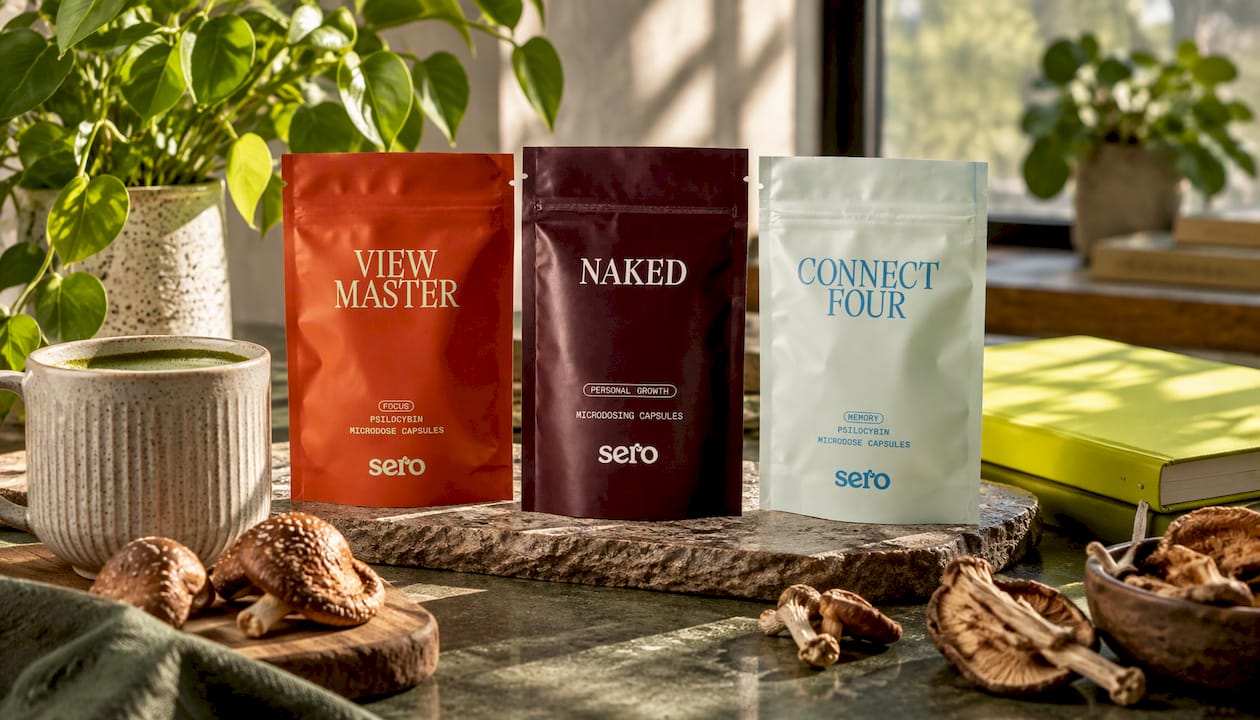
If you want to compare formats before choosing, our guides to taking capsules, enjoying chocolate and brewing tea walk through each one. Our microdosing range shows the full lineup in one place.
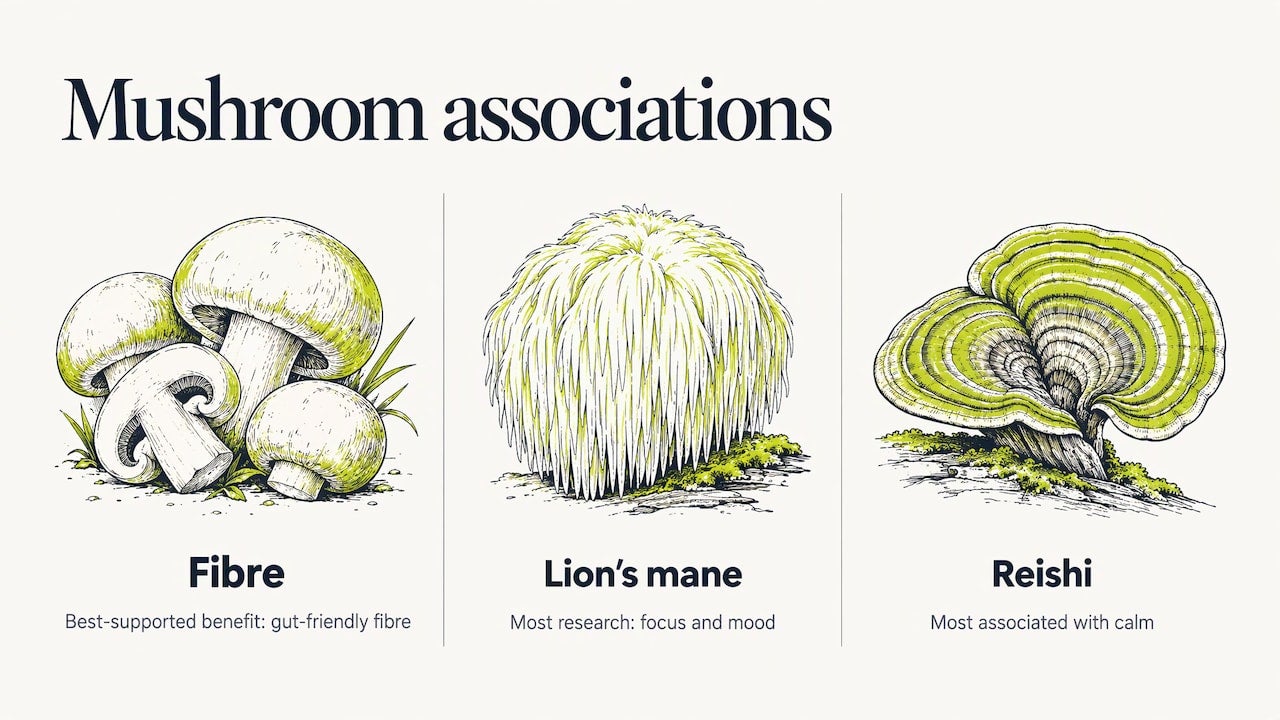
Functional mushrooms are best understood as a daily habit, not a quick fix. Their best-supported benefit is gut-friendly fibre, lion’s mane has the most research on focus and mood, and reishi is the species most associated with calm. Pick a single goal, choose a product that states its species and amounts, take it consistently for several weeks, and watch the trend. Matching the blend to your goal and the format to your routine is what turns a shelf of options into a product you will keep using.
The evidence differs by species and goal. Mushrooms eaten as part of the diet are linked to better cognition and mood in epidemiological studies, and lion’s mane has shown some mood and cognitive benefits in middle-aged and older adults. Results build over weeks, so consistent daily use is what matters.
Functional mushrooms are taken for gradual wellness support such as focus, calm and energy. Psilocybin mushrooms contain a psychoactive compound and are a separate category in Canadian law, so they are never a substitute for each other. Choose based on what you want from a product.
Lion’s mane is the species most often chosen for focus and memory. It is being studied for its effect on nerve growth factor, a protein that supports nerve cell growth. Many people also pair it with reishi for a calmer baseline.
Plan on several weeks. The trials behind the research ran from four to sixteen weeks, and effects tend to be gradual rather than immediate. Take your product at the same time each day and note how you feel weekly.
Disclaimer: This article is for general information only and is not medical advice. Consult a qualified health professional before starting any supplement.
This article is for educational and informational purposes only and does not constitute medical advice. Psilocybin is a controlled substance in Canada, legal access is limited. Always consult a qualified healthcare professional before considering microdosing, particularly if you have an existing medical condition or take medication.